
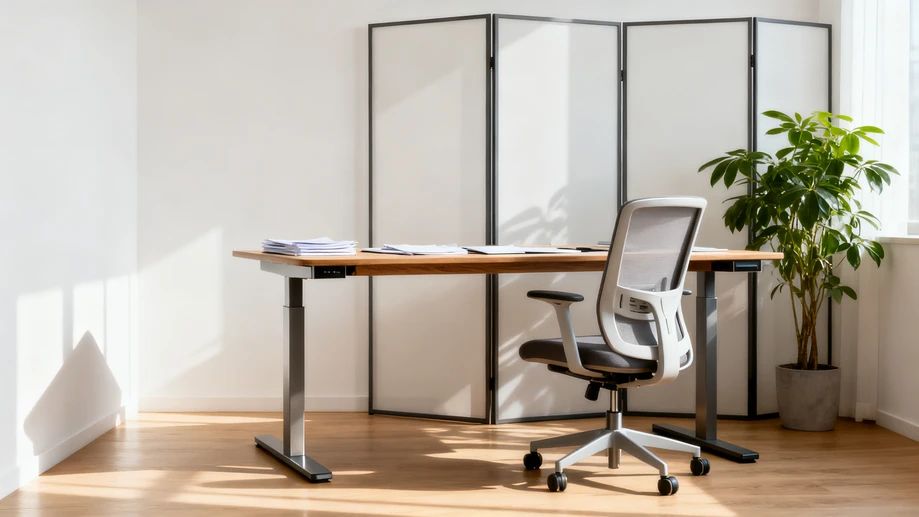
The Global Quest for Ergonomic Home Offices Reshapes Interior Design Priorities
Workers worldwide optimize residential spaces for productivity as hybrid work becomes permanent, altering furniture choices and room layouts.
The seismic shift towards hybrid and fully remote work models, initially a pandemic necessity, has solidified into a permanent fixture of the global workforce. Consequently, the home office has evolved from a makeshift corner or kitchen table setup into a dedicated, thoughtfully designed space demanding significant attention and investment. This transformation is fundamentally altering how people view and utilize their homes, placing unprecedented emphasis on creating environments conducive to focus, well-being, and professional efficacy within the domestic sphere. The ripple effect is felt across furniture sales, room allocation, and even property searches worldwide.
However, the initial scramble for any available desk has matured into a sophisticated demand for ergonomic excellence. Workers spending substantial hours at home computers are prioritizing health and comfort, driving a surge in demand for adjustable standing desks, high-quality ergonomic chairs with superior lumbar support, and monitor arms that promote optimal screen positioning. The understanding that poor posture leads to long-term physical strain has made ergonomics a non-negotiable aspect of home office design. This focus extends beyond furniture to include considerations like keyboard trays, footrests, and task lighting designed to reduce eye strain, reflecting a holistic approach to workplace wellness at home.
Consequently, spatial solutions within existing homes have become paramount. Not everyone possesses a spare room readily convertible into a private study. Ingenious homeowners and renters are therefore embracing innovative room dividers – ranging from elegant, sound-absorbing screens and strategically placed bookshelves to flowing fabric partitions – to carve out dedicated work zones within living rooms, bedrooms, or even large closets. The goal is clear: establishing a physical and psychological boundary between "work mode" and "home life," even within a compact footprint. Acoustic considerations are also rising in importance, with increased interest in simple sound-dampening panels or rugs to mitigate household noise.
Furthermore, the desire to combat the potential sterility or isolation of working from home is manifesting in a strong preference for integrating natural elements and biophilic design principles into these workspaces. Large windows offering ample natural light are now a top priority, often dictating the placement of the home office within a floorplan. Beyond light, there's a noticeable trend towards incorporating abundant indoor plants, which not only improve air quality but also contribute to a sense of calm and connection to nature. Natural materials like wood, stone, and woven textures in furniture, finishes, and accessories add warmth and tactile appeal, creating a more inviting and less corporate atmosphere. The color palette often leans towards calming neutrals, earthy tones, and soft greens or blues, fostering concentration while reducing visual stress.
This global pivot towards optimized home offices represents more than just a furniture trend; it signifies a profound re-evaluation of the home's purpose. The lines between personal sanctuary and professional hub have blurred irrevocably. As hybrid work endures, the ability to create a functional, comfortable, and inspiring workspace within the home is not merely a preference but a critical factor influencing residential satisfaction, productivity, and overall well-being for millions globally. The design choices made today reflect a long-term investment in adapting our living spaces to this new, integrated reality.