
Why a basic hand mixer becomes the unspoken hero of everyday home cooking
This unassuming small kitchen tool punches far above its weight for everyday meal prep far beyond baking desserts.
Most casual home cooks only pull out their hand mixers when they plan to bake layer cakes or a batch of holiday cookies, writing the tool off as a one-trick pony that takes up unnecessary drawer space for weeks at a time. Very few people realize that the device was built to handle far more tasks than just beating egg whites or whipping heavy cream, with small, adjustable speed settings that fit perfectly into every step of regular meal prep, no fancy commercial equipment required. Even cooks who have used the tool for years often stumble on new clever uses by accident, turning tedious 20-minute prep steps into 30-second tasks that cut down total kitchen time dramatically.
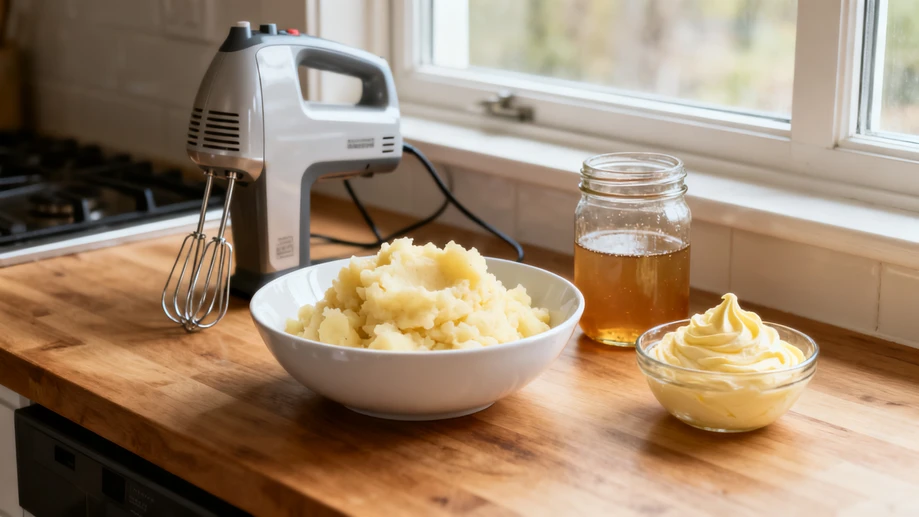
The most underrated use for a standard hand mixer lies in making perfectly smooth, lump-free mashed potatoes that never turn out gummy or overworked. Instead of mashing boiled spuds by hand with a metal masher that leaves random hard chunks scattered through the dish, cooks can toss warm potatoes, melted butter, a splash of warm milk and seasoning into a deep bowl, turn the mixer on low for two minutes, and get fluffy, evenly mixed mash that tastes far better than any store-bought pre-made version. The same trick works for making creamy cauliflower puree, whipped sweet potato sides, or even soft hummus that comes out silky without hours of stirring by hand.
The versatile tool also cuts down prep time for savory dishes in ways no standard whisk can match. Blending up emulsified salad dressings takes less than 10 seconds when all ingredients are tossed into a bowl and mixed on medium speed, creating a perfectly stable mix of oil, vinegar, mustard and herbs that never separates halfway through a meal. People who love light, fluffy omelets or cloud pancakes can beat whole eggs on high speed for two full minutes without tiring their wrists, creating a light, aerated batter that cooks up into pillowy, tender servings that look and taste like they came from a professional brunch spot.
There are tiny, easy adjustments that make the hand mixer even more useful for daily cooking, no fancy upgrades required. Most home cooks learn quickly that running the device on the lowest speed setting when mixing thick, dense mixtures keeps splatters from flying all over counter tops, while wiping the beaters off with a damp paper towel immediately after use prevents sticky food residue from hardening in tiny crevices. Unlike large, bulky counter top appliances that need full cabinet space and complicated cleanup routines, most standard hand mixers are compact enough to tuck into a small drawer, and only require a quick rinse of the metal beaters to get fully clean after use.
Over time, most people who give their hand mixer a try for non-baking tasks soon find themselves reaching for the tool almost every time they step into the kitchen, instead of only pulling it out for special dessert occasions. It eliminates almost all the unnecessary wrist strain that comes with minutes of non-stop hand whisking, and delivers far more consistent results than most casual cooks can achieve with manual mixing methods. For anyone looking to cut down their daily kitchen work load without buying dozens of overpriced specialized gadgets, this simple, affordable small tool easily earns its place as one of the most useful items in the entire home kitchen.