
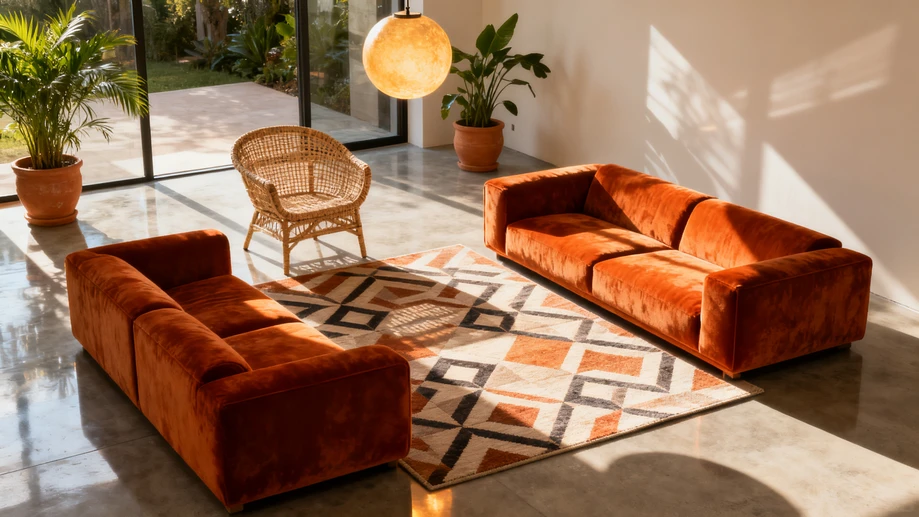
The Seventies Revival Sweeps Global Homes with Bold Colors and Textured Fabrics
Retro palettes and tactile materials dominate contemporary interiors as homeowners rediscover disco-era design principles
Across continents, a surprising design renaissance is unfolding in living rooms and bedrooms alike. The 1970s aesthetic, once relegated to vintage shops and nostalgia documentaries, has staged an explosive comeback in home decor. This resurgence isn't about mere imitation but rather a sophisticated reinterpretation of the era's most distinctive elements. Design psychologists attribute this shift to our collective yearning for warmth and comfort in turbulent times, with the rich textures and organic shapes of the seventies offering visual solace. From Tokyo apartments to Berlin lofts, homeowners are embracing the period's characteristic embrace of coziness over clinical minimalism.
What distinguishes this revival from past retro trends is its selective curation. Contemporary designers avoid literal recreations of shag-carpeted dens, instead extracting key components like earthy terracotta tones, mustard yellows, and avocado greens. These hues appear unexpectedly modern when paired with current furnishings. The magic lies in juxtaposition – imagine a sleek modular sofa upholstered in burnt orange velvet or minimalist shelving units displaying macramé plant hangers. Textural contrast plays a crucial role, with nubby bouclé fabrics coexisting with polished concrete floors and smooth marble surfaces. This thoughtful blending creates spaces that feel simultaneously nostalgic and fresh.
Furniture silhouettes undergo similar reimagining. The iconic curved sectional sofa returns with updated proportions, while egg-shaped chairs find new life in sustainable materials. Designers note that these organic forms provide psychological comfort through their absence of sharp edges, creating subconscious feelings of safety. Lighting fixtures particularly showcase this fusion, where brass finishes and geometric patterns characteristic of the era meet energy-efficient LED technology. The result is atmospheric illumination that casts sculptural shadows across walls, enhancing the layered depth modern interiors crave.
An intriguing historical footnote explains the seventies' textile revolution. When the 1973 oil crisis caused synthetic material shortages, designers turned to abundant natural fibers like jute, rattan, and wool. This accidental sustainability birthed the tactile richness we now associate with the period. Today's revival incorporates this lesson through ethically sourced materials, though not explicitly marketed as eco-conscious. The renewed popularity of cork flooring exemplifies this – once considered dated, its sound-absorbing and thermal properties now align perfectly with contemporary needs for comfort and practicality.
This trend's global reach reveals fascinating cultural adaptations. Scandinavian interpretations favor the era's lighter woods and airier layouts, while Mediterranean versions amplify the vibrant color spectrum. Asian implementations often incorporate the decade's love for indoor greenery through sophisticated terrariums and hanging gardens. What unites these variations is the rejection of starkness in favor of sensory richness. As we navigate increasingly digital lives, these textured, warm environments provide physical counterpoints that engage multiple senses simultaneously.
The seventies revival demonstrates how cyclical design movements evolve when revisited. By extracting timeless principles – comfort, texture, organic shapes – and discarding period-specific excesses, this trend achieves remarkable longevity. Industry forecasts suggest its influence will permeate home design for several years, continually adapting to new technologies and materials. This represents more than nostalgia; it's proof that good design principles transcend decades, waiting only for the right cultural moment to resurface with renewed relevance and vitality.