
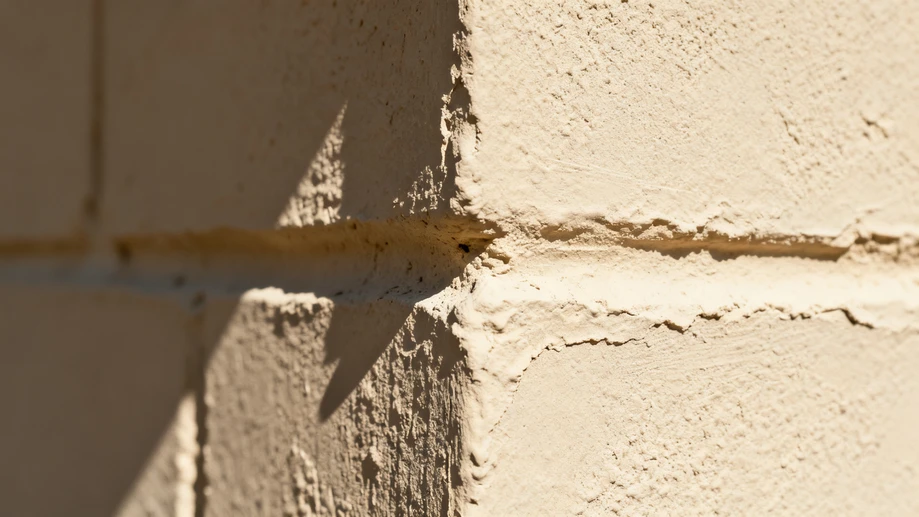
Textured Wall Finishes Revolutionize Modern Home Aesthetics Globally
From Venetian plaster to 3D panels tactile surfaces become the new focal point in interior design transformations
Imagine running your fingers along a wall and feeling the subtle dance of valleys and ridges beneath your fingertips. This sensory experience represents one of the fastest-growing trends in global home renovations, where textured wall finishes have moved from niche artistic expressions to mainstream design essentials. Homeowners increasingly reject flat monotony in favor of surfaces that tell tactile stories, creating spaces that engage both the eye and hand. What began as haute couture for walls in luxury European villas now appears in suburban homes from Tokyo to Toronto, signaling a universal shift toward dimensional interiors.
The momentum behind this movement stems from evolving lifestyle demands post-pandemic, where homes transformed into multi-functional sanctuaries. People no longer merely observe their living spaces but actively experience them through layered textures that add psychological comfort. Experts note that irregularities in surfaces help disguise imperfections in aging structures while simultaneously introducing visual rhythm. More significantly, these textures satisfy a deep-rooted human craving for tactile connection in increasingly digital lives, offering physical anchors in our surroundings that screens cannot replicate. The tactile renaissance manifests most prominently in living rooms, where feature walls become conversation pieces.
Venetian plaster leads the charge with its marble-like luminosity and depth-responsive characteristics, proving particularly popular in Mediterranean and South American homes. Concrete-effect finishes follow closely, satisfying urban loft aesthetics through micro-etchings that capture light dynamically. For dramatic impact, many embrace 3D geometric panels crafted from sustainable bamboo or gypsum that cast intricate shadows throughout the day. Recent innovations include clay-based textured paints that regulate humidity naturally and mineral coatings that change appearance with viewing angles. The installation processes themselves have democratized, with DIY-friendly textured rollers and specialized trowels enabling weekend transformations.
Regional variations reveal fascinating cultural interpretations of this global phenomenon. Scandinavian interiors favor subtle lime wash textures in calming monochromes that enhance hygge principles, while Middle Eastern designs incorporate intricate stucco patterns reminiscent of historical Islamic architecture. Across Southeast Asia, artisans weave natural fibers like abaca into wall coverings that reference traditional craftsmanship. South African homeowners increasingly blend raw earth textures with industrial elements, creating visually arresting contrasts. Despite these variations, a common thread emerges: homeowners invest in textures as permanent design elements rather than temporary trends.
The psychological impact receives increasing attention from environmental designers. Studies suggest textured environments can reduce stress markers by providing gentle focal points that prevent overstimulation. Architects employ directionally brushed finishes to visually expand small rooms or lower high ceilings. The maintenance aspect surprises many; textured walls often require less frequent cleaning than smooth surfaces since they naturally conceal dust and fingerprints. As the trend evolves towards integration with lighting design and mixed-material compositions, industry forecasts predict textured elements will dominate interior schemes through 2026 and beyond.