
Unexpected Small Utensil Habits That Cut Daily Post-Meal Cleaning Time In Half
Little known tricks for everyday dining ware make post-meal cleanup far less tedious than most people expect
Most people who cook at home regularly have struggled with the small frustration of sticky pasta sauce caked in fork tines, burnt rice residue stuck to the edge of serving spoons, or thick grease that takes multiple rounds of scrubbing to remove from ceramic plates. Many end up piling every used piece of dining ware into a full sink of soapy water, spending 15 to 20 minutes scrubbing after every meal, and often still find faint leftover stains on cutlery the next time they pull it out of the cabinet. Even people who own fully functional dishwashers often find that half their utensils need a pre-scrub before they can be placed inside, adding extra unnecessary steps to their daily routine.
A common mistake most households make is leaving used utensils to soak in standing water for several hours, or even overnight, after a meal. Porous unglazed ceramic will absorb food pigments and grease during long soaks, leaving permanent faint yellow or brown stains that can never be removed no matter how hard you scrub. Natural wood utensils including chopsticks, spatulas and salad servers will start to develop dark mold spots along edges and tiny cracks after repeated long soaks, which can slowly degrade the material and make them unsafe to use over time. Even stainless steel cutlery can develop faint foggy water marks if left to sit in soapy water for too long, requiring extra polishing to restore its original shine.
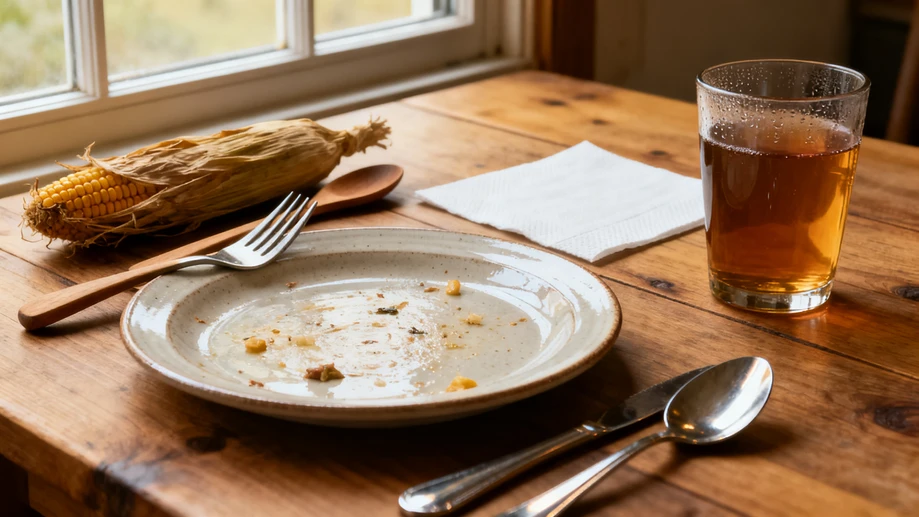
The easiest hack that requires zero extra purchases is wiping every plate, bowl and utensil with a sheet of unused kitchen paper towel right after everyone finishes eating, before any food residue has time to cool down and stick to the surface. This single step wipes away 80 percent of all grease and solid food bits before you even turn on the tap, so you only need a tiny amount of dish soap to clean the remaining light residue, no heavy scrubbing required. For hard to reach gaps in slotted spoons, whisk heads and fork tines, a leftover dried corn cob saved from a previous meal works far better than a regular sponge to scrape out trapped bits of food, without leaving tiny bits of sponge fabric stuck in the gaps the way many standard cleaning tools do.
Other low-effort small habits extend the lifespan of common utensils far beyond what most people expect. After regular washes, a quick wipe with cold leftover black tea will remove the faint cloudy haze that builds up on bright white ceramic plates after months of repeated dishwasher runs, bringing back their original glossy finish in seconds. Rubbing a tiny amount of food-safe cooking oil onto the surface of clean dry wood utensils once a month fills in tiny micro cracks in the material, stopping water from seeping in to cause mold or warping, so these items can stay smooth and safe to use for three to four years without needing replacement. It is also far more efficient to sort utensils by type before washing, placing all fork and knife points facing the same direction so you can grab and rinse multiple of them in one go, instead of fumbling around to find individual items under soapy water.
These small, low effort habit shifts add up to huge noticeable changes to daily household routines. Most households that adopt these small tricks cut their post-meal cleaning time down from 20 minutes to 5 minutes or less, with no extra cost and no special expensive cleaning products required. A lot of people who previously avoided cooking at home because of how tedious utensil cleanup felt end up making far more home cooked meals during the week, cutting down on takeout waste and the amount of single-use disposable cutlery they consume over time. The small amount of time saved every day also adds up to several extra hours a month that people can spend doing activities they enjoy, instead of scrubbing sinks full of dishes after every meal.