
Why Spontaneous Instant Photo Snaps Beat Carefully Edited Digital Shots
Uncovering the underrated, everyday magic of unpolished instant film captures that turn tiny moments into tangible keepsakes
Most people carry a high-resolution camera in their pocket every single day, and the average smartphone gallery holds well over 10,000 saved shots, many of which never get a second look after the initial tap of the shutter. Unlike endless digital rolls that get buried under thousands of similar photos, the instant photo process unfolds in real time, right in front of anyone nearby, with no hidden algorithms or post-processing steps sitting between the split second of capture and the final physical image. The small square of film slides out of the camera slot seconds after the button is pressed, its surface blank and pale at first, as soft hints of color bleed through the milky layer of chemical coating over the next 60 to 90 seconds. There is no way to undo a slightly off angle, no filter to soften the shadow under a subject’s eyes, no option to erase a random passerby that wandered into the edge of the frame right as the shutter clicked, and all these small, unplanned flaws end up making the final shot feel far more alive than any perfectly curated digital upload.
Group gatherings, weekend picnics and impromptu road trips turn far more playful when an instant film camera is passed around instead of everyone huddling around a single phone screen debating whether a specific shot is flattering enough to post. No one wastes five minutes adjusting sliders to smooth out a sunburned cheek or brighten the dim edge of a backyard bonfire, so the energy of the group never breaks away from the actual moment to focus on crafting a shareable image. A finished photo can be handed directly to the person featured in it the second it finishes developing, no need to send it through a group chat, wait for a reply, or hope the recipient actually remembers to save it to their camera roll before deleting the message. Even the smallest, most random everyday encounters turn into memorable little moments when paired with an instant shot, from a stray tabby cat that pauses mid-step on a sidewalk to sniff the fresh film as it develops, to a sudden patch of rainbow that peeks through rain clouds over a city skyline on an otherwise gray afternoon.
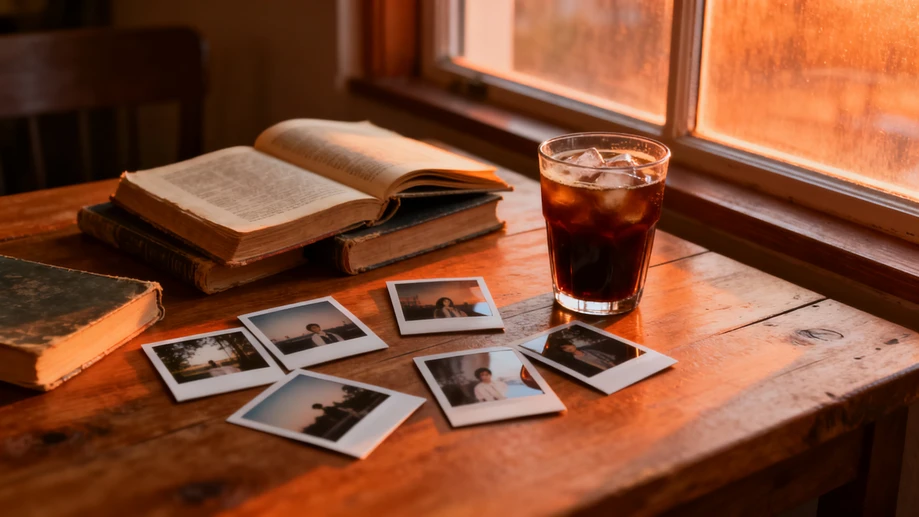
Hundreds of thousands of these small square prints end up tucked into odd, unexpected spots all over people’s homes, acting as tiny, time-stamped markers of moments they never want to forget. They get slipped into the back of phone cases, taped to fridge doors next to grocery lists and takeout menus, slid between the pages of favorite novels, and stuffed into the back of wallet slots next to old grocery rewards cards. Many people find long-forgotten shots months or even years after they were taken while sorting through drawers or packing for a move, and often the edges of the film carry tiny, unplanned traces of the original moment, from a faint smudge of melted popsicle on the corner of a shot taken at a summer fair, to a dusting of fine beach sand stuck to the surface of a photo taken right after wading out into shallow shore water. There is no way to replicate that specific, tangible memory trigger with a digital file stored somewhere in a cloud server, even if the file itself is higher resolution and clearer than any physical print could ever be.
Contrary to popular assumption, taking instant film photos does not waste nearly as much resources or money as critics claim, since the limited number of exposures in each pack pushes users to be far more intentional about each shot they take. Instead of holding down the shutter and firing off 30 slightly different versions of the same pose to pick the “perfect” one later, people slow down, check the frame twice, and only commit a piece of film to moments that actually feel worth remembering, rather than moments that just look good on social media feeds. That intentionality ends up making every single finished photo feel far more precious, because every single one represents a deliberate choice to pause, look closer, and hold onto a tiny sliver of time that would otherwise slip by completely unrecorded. Over time, stacks of these little prints build up a far more unfiltered, honest record of daily life than any curated digital photo album could ever manage, capturing all the awkward, silly, unpolished small moments that usually get cropped out of content made specifically for public feeds.