
Why Old Box Televisions Are Making A Quiet Comeback In Modern Home Spaces
A growing number of households are choosing to bring vintage television sets back to their daily spaces for far more purposes than regular content watching.
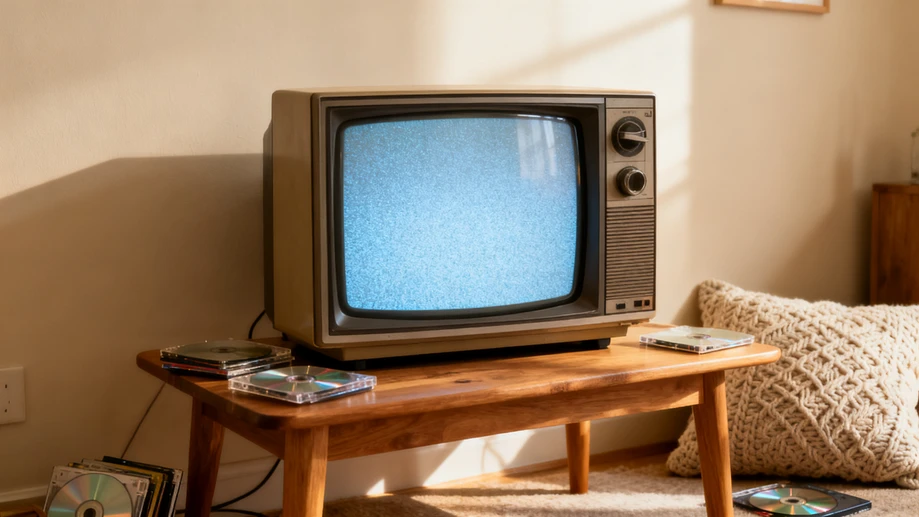
Against the backdrop of streaming service dominance, most mainstream new television models on the market chase thinner frames, larger display areas, and more embedded smart functions, to the point that many families leave their newly bought devices hanging on the wall as a fixed part of the living room decoration that rarely gets touched after initial setup. What few people expected is that bulky, old cathode ray tube televisions that most families dumped decades ago are now becoming the most sought-after items at local flea markets and second-hand trading platforms. Most buyers do not bother to repair the old signal receiving module, they just plug the device into the power supply, adjust it to the no-signal state that outputs soft blue and white static snowflakes, and place it in the corner of the living room as a constant ambient light source. The warm, slightly grainy glow emitted from the old screen is far less harsh than the cold light of common LED ambient lamps, and it casts soft, fuzzy shadows on the surrounding fabric sofas and throw blankets, creating a quiet, retro atmosphere that makes guests subconsciously slow down their pace the moment they step into the room.
Many long-term renters pick small sized vintage televisions for their kitchen counter edges, where they can play old recorded variety shows or classic cartoon tapes while cooking. The several large, raised physical buttons on the old machine are easy to press even with wet hands that have just washed vegetables, and the thick plastic shell can be wiped directly with a damp rag stained with oil stains, no extra protective film or careful maintenance is required. There is no annoying system update pop-up to interrupt the cooking rhythm, no complicated account login process to go through before playing content, and people can easily get the casual entertainment experience they want with one single press of a finger. This zero-expectation usage pattern completely removes the unnecessary anxiety that comes with using expensive high-tech electronic products, and turns the tedious daily cooking process into a much more pleasant relaxing ritual.
Quite a few hobbyists even buy vintage television sets that have damaged internal circuits and can no longer display any image at all, they carefully disassemble the old screen shell, clean up the excess internal components, and fill the hollow space behind the transparent display panel with different decorations as they like. Some people stuff soft warm-white string lights and dried lavender branches inside, some put a collection of old vinyl record stickers and handwritten postcards, others even arrange a set of tiny potted succulents to turn the whole television shell into a unique display shelf that can be placed on the bookshelf. These modified items no longer have any trace of the original television functions, but they carry unique personal memories and creative ideas that no mass-produced home decor product on the market can match, which is exactly the core reason why more and more people are willing to spend time and energy on these seemingly useless old devices.
The trend of using vintage televisions has even extended to casual outdoor leisure scenes. Groups of young people will carry lightweight portable vintage television units to public lawns on sunny weekends, connect small media players to play short clips of old nature documentaries, and sit around the device sharing snacks and chatting. Most passersby will slow down when they see the glowing old screen, and many will stop to watch for a few minutes instead of rushing to take a photo for social media posting. The weird old device breaks the awkward silence that often exists between groups of strangers in public spaces, creating a relaxed shared atmosphere that is hard to achieve with modern portable smart devices.
Local lifestyle market statistics show that the transaction volume of vintage television sets on second-hand platforms has increased by more than 210% over the past three years, and more than 70% of the buyers said they have no intention of using the device to watch regular television programs at all. This small but noticeable consumer trend does not stem from any big marketing campaign of a certain brand, nor is it a short-lived viral gimmick created by social media influencers. It comes from the general public’s quiet desire to get rid of the excessive pursuit of high product parameters and redundant functions, and to find small, tangible bits of casual comfort in the fast-paced modern daily life.