
Hidden Wall-Adjacent Shower Drains Are Far More Practical Than You Think
Break down the little-known advantages of long narrow trough drains near shower walls, and common installation mistakes most homeowners make.
Most residential bathroom renovation plans default to the standard round floor drain placed near the center of the shower zone, with few people stopping to consider other layout options before tiling begins. The old design often leads to a string of small annoyances that add up over years of daily use, from standing puddles that linger for 20 minutes after a hot shower to clogs caused by tangled hair that require messy deep cleaning every other week. Many people only notice these problems after the entire tile layer is finished, leaving no easy way to fix the drainage flaw without tearing apart large sections of the finished floor.
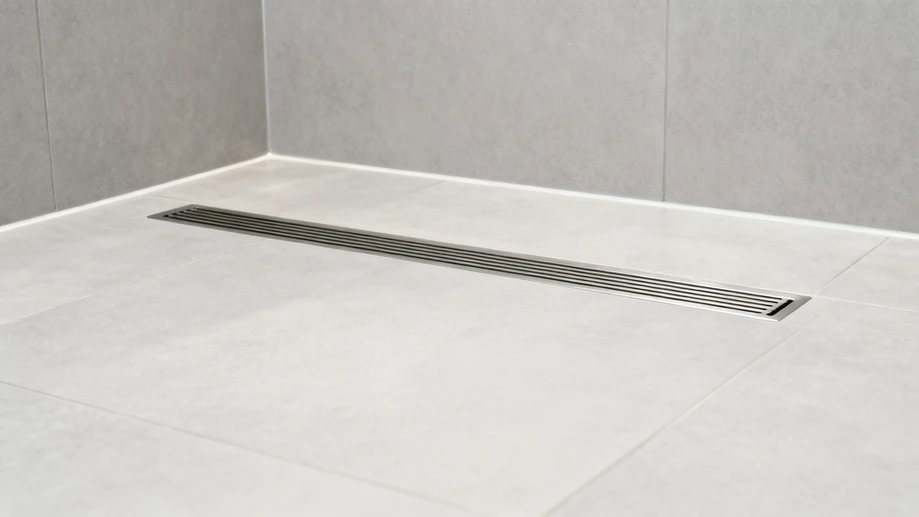
The long, narrow trough drain mounted flush against the shower wall base solves nearly all the common pain points of traditional circular drains, starting with drastically improved drainage speed. Standard round drains only have a small 3 to 4 inch diameter opening to channel water through, which often cannot keep up with the flow rate of most modern shower heads, leading to pooled water that spreads across tile surfaces and seeps into grout lines to cause mildew discoloration over time. The full-length trough that runs 3 to 5 feet along the wall edge creates a continuous wide opening for water to flow through, making it 3 to 4 times faster at draining even high volumes of hot water, even when two people take consecutive showers without giving the system time to catch up. No standing puddles will remain on the shower floor more than 30 seconds after the water is turned off, even in homes with low municipal water pressure.
Cleaning and maintenance requirements also drop dramatically when homeowners swap to a wall-adjacent trough drain. Traditional circular drains have a deep narrow recess that collects fine sand, leftover soap scum, tiny bits of dead skin and hair that get trapped in hard to reach crevices, creating hidden mold colonies that give off faint unpleasant odors that are hard to trace. The flat, wall-aligned layout of the trough drain guides all small debris that falls on the shower floor directly toward the main drain opening as water flows toward the wall, with no recessed corners for gunk to get stuck. Most daily cleaning only requires running a damp squeegee across the floor once, pushing all loose hair and dust straight into the trough, and the removable top plate only needs to be lifted once every two weeks to clear out any accumulated debris from the main drain line. Regular users report that the time spent cleaning their shower area each week drops by more than 70 percent compared to homes with standard round drains.
There are a few simple installation rules that prevent homeowners from turning this otherwise high-functioning feature into a new source of headaches. The drainage gap on the top cover should never be cut thinner than 8 millimeters, as narrow gaps get clogged easily by small chunks of broken soap, plastic seal strips from new toiletries, and tiny shards of fallen glass from shower bottles. The installer must also set the trough at a consistent 1 to 2 percent downward slope leading to the main drainage pipe, instead of laying it completely level, to avoid stagnant water pooling in the far end of the trough that will go stale and develop bad smells after a few days. A quick test pouring an entire bucket of water across the whole length of the trough right after installation will catch minor slope errors before the tile adhesive sets, saving costly rework later.
Homeowners who worry that the long drain will break the clean visual flow of their bathroom can easily hide the feature completely by cutting tiles from the exact same batch used on the shower floor to make the top cover, so the entire trough blends into the tile surface with barely visible narrow gaps. This fully custom hidden design fits perfectly with all popular bathroom decor styles, from minimalist matte stone finishes to playful retro patterned tile layouts, and will not yellow or warp for decades of regular use. The tiny extra cost of choosing this drainage layout early in the renovation process pays for itself many times over with years of no puddles, no hidden clogs, and far less tedious deep cleaning work.