
Skip The Costly Full Home Demolition These Small Layout Tweaks Fix 90 Percent Of Daily Traffic Pain Points
Most homeowners fail to notice that bad movement patterns cause far more daily frustration than any outdated decor choice.
The popular home renovation feeds flooding social media often lead viewers to believe that a perfect living space can only be achieved after tearing down half the walls, rearranging every plumbing line, and spending months on construction work. Many people jump into large scale restructuring without mapping out their own daily movement habits first, only to find the newly renovated space creates more unnecessary steps than the old layout they hated. They end up zigzagging across the whole open concept living room every time they carry a hot plate from the kitchen to the dining table, or walk past piles of unopened mail three times just to grab a clean towel after taking a shower. These tiny, repeated annoyances build up over time, turning small daily chores into far more tiring tasks than they need to be.
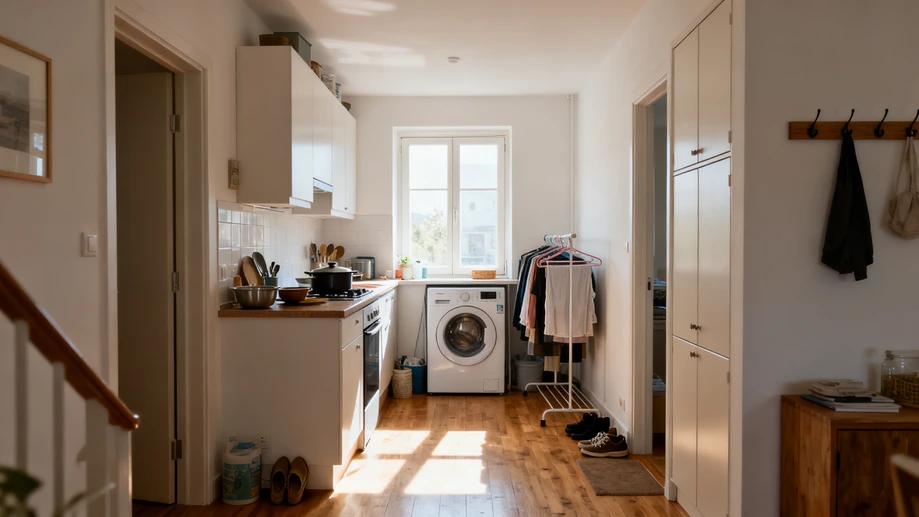
The most underrated core of a functional layout is the unobstructed connection between three high frequency areas that most people never notice: the entryway, the main kitchen work zone, and the laundry space. Many households tuck the laundry area into the far corner of the furthest spare room, forcing people to walk past the entire living room and down a narrow hallway every time they come home from a workout and want to toss their sweaty sportswear straight into the washer. Small adjustments that reposition storage spots to smooth this invisible triangle cut hundreds of unnecessary steps every single week, no full wall demolition required. A slim hanging rack placed 3 steps away from the front door for dirty outerwear, a small open shelf in the kitchen that holds all common cleaning supplies near the sink, and a rolling laundry hamper that can slide between the entry path and the washer can cut the total distance people walk for housework every year by more than 50 kilometers.
Another common mistake many amateur renovators make is tearing down all possible partitions to create an unbroken open space, which ends up mixing guest movement paths and daily household paths together in a messy overlap. When friends come over for a dinner gathering, people carrying snacks from the kitchen have to weave around couches and guests sitting on the floor, while people relaxing in the living room end up having to give way to anyone walking between the entryway and the back of the house. This problem can be solved without putting up solid walls that block natural light. A half height open bookshelf or a slim storage cabinet placed at the proper spot can create two separate clear paths, one that leads guests directly from the front door to the living and dining area, and another narrow private path reserved for household members to carry laundry, sort packages, or move ingredients back and forth without disturbing anyone else in the shared space.
The best movement layout is never one size fits all, and it should be adjusted to match the specific daily routine of the people living in the space. For people who work from home most days, the spot to hang work bags and store portable laptops can be moved to the shortest path between the entryway and the home office, removing the need to make a detour to the bedroom every time they get home from a quick errand outside. For people who love baking at home, arrange the dry ingredient storage, counter top work space, and oven in a straight short line, so bakers never have to walk more than two steps to grab a mixing bowl, a bag of flour or a baking sheet. Small tweaks aligned with real daily habits work far better than fancy layout ideas copied from viral social media posts, which are designed for short term perfect photos instead of long term daily use.
Most people do not need a complete overhauls to make their home feel far more comfortable and efficient. It only takes three to four days to track every small movement people make around the house for 72 hours, marking all the spots where they pause, backtrack, or take unnecessary steps. Small adjustments targeting these pain points can make daily life feel far smoother, even if the walls stay in their original positions and no expensive new custom furniture is added. No layout is perfect enough to show up on every viral home design feed, but the layout that fits the actual rhythm of daily life will always feel more pleasant than any picture perfect show home setup.