
Why Unassuming Melamine Dishes Are Taking Over Casual Dining Spaces
Exploring the underrated benefits, common misconceptions and practical care tips for the low-fuss dining material that fits nearly every lifestyle
Most households default to picking traditional ceramic or glass dinnerware when stocking up their kitchens, prioritizing classic aesthetics over the tiny daily inconveniences that pop up during regular use. A quick glance at any neighborhood backyard potluck or child’s birthday party tells a different story though, where piles of light, seemingly unbreakable plates get passed around without a single person panicking over a potential mess. These unassuming pieces are often made of a food-safe sturdy material that rarely gets dedicated attention in home organizing or cooking content, despite being one of the most practical picks for everyday use.
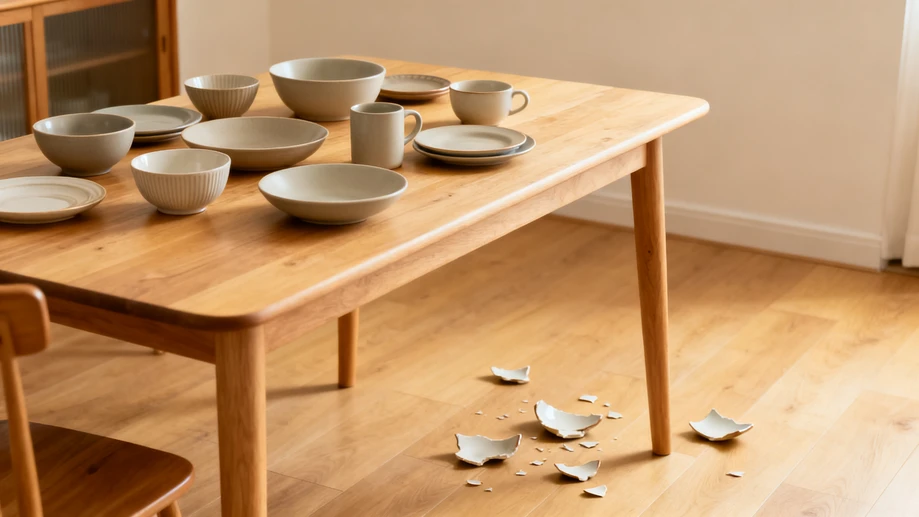
Unlike thin ceramic that chips at the slightest drop from a counter edge, this type of dinnerware hits the ground with a soft thud rather than a sharp, ear-splitting crash, leaving zero sharp shards scattered across floors that could cut bare feet or pet paws. It weighs less than half of a comparable porcelain plate, making it easy for young kids to carry their own meals to the table without fumbling, and reducing strain for older adults with limited hand strength who struggle to lift heavy full dish sets from cabinets. It holds up to sudden temperature shifts far better than most glass options too, so a plate pulled straight from the freezer holding leftover fruit salad can go right into the top rack of a hot dishwasher without cracking or warping.
A wide range of common misconceptions circle this material, with many users worrying it will leach unwanted chemicals into hot food or turn yellow after a few months of regular use. When produced to meet global food safety standards, it is completely stable at the temperatures used for serving hot soups, pasta and roasted meals, with no risk of unwanted substance transfer during regular daily use. The discoloration that some people notice after months of heavy use almost always comes from abrasive cleaning tools that scratch the smooth outer seal of the dish, leaving tiny crevices that trap food dyes from tomato sauce, turmeric or dark berry dishes.
Basic care rules eliminate almost every issue that users run into with this dinnerware, no fancy products or complicated routines required. Skip the steel wool and harsh scouring pads entirely, stick to soft sponges or microfiber cloths to wipe debris away, and avoid placing these dishes directly on open stovetop flames or inside high-heat countertop ovens above 300 degrees Fahrenheit. Any pieces that develop deep, permanent scratches or stubborn, impossible-to-clean discoloration after years of use can be recycled through most local plastic kitchenware programs, and low price points mean replacing a full set costs a fraction of what a comparable ceramic dish set would run.
More casual cafes, community centers and event rental companies have been swapping out their fragile dish sets for this material in recent years, not to cut costs, but to create a far more relaxed dining environment for guests. No host has to hover near the table ready to catch a falling plate, or rush to clean up shards mid-meal to avoid anyone getting hurt, and guests can move around freely with their plates without constant fear of ruining an expensive heirloom. For a lifestyle that prioritizes low stress and easy fun over perfect, high-maintenance decor, this underrated dinnerware material easily checks every single box, with almost no downsides for the vast majority of households.