
Why Vintage European Tea Sets Turn Ordinary Sips Into Luxurious Little Rituals
Explore the underrated charm of European tea sets that redefine casual daily tea time far beyond fancy formal events.
Most people reach for a plain thick ceramic mug when they brew a quick cup of tea on a busy weekday, never stopping to think about how the vessel they use can shift the entire mood of their break. Mass-produced mugs are practical, they keep drinks warm for a long time and do not crack if knocked around on crowded kitchen counters, but they carry no trace of the quiet cultural heritage that is woven into every well-made European tea set. These sets are often dismissed as fancy display items locked away in cabinet shelves for holiday guests, but a growing number of tea lovers are pulling them out for regular daily use to add tiny, gentle moments of joy to otherwise repetitive work days.
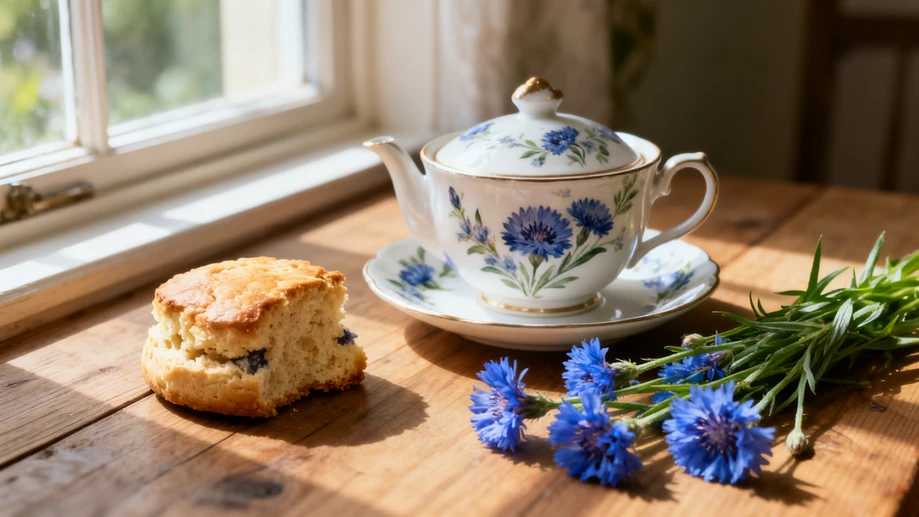
The design details hidden in these traditional tea sets are far more deliberate than most casual observers notice, each choice tied to centuries of local drinking habits across different regions of Europe. Thin bone china sets from northern parts of the continent have ultra-smooth rims curved to fit the shape of a person’s lip, so tea flows evenly into the mouth without dripping down the sides of the cup even when someone takes a quick sip while walking between meetings. Hand-painted patterns that line the sides of many pieces are not random decorative choices either, many are modeled after local wild plants that grow in nearby countryside hedges, from deep blue cornflowers to bright red wild strawberries and delicate oak leaves. Even the thickness of the matching saucers is calibrated to hold just enough crumbs from a small buttery scone or a few slices of candied ginger that are commonly served alongside different types of local brews.
Different regional tea customs are reflected in the shape and weight of each set, making every piece a small portable piece of local cultural history. Sets made in coastal western areas feature wider, shorter cups that leave extra room for a splash of cold milk poured into steaming hot earl grey, preventing the liquid from spilling over the edges even on windy seaside patios. Smaller, more compact sets from central Europe have thick, heat resistant handles that stay cool to the touch even when filled with spiced herbal tea steeped at near boiling temperatures, perfect for slow sipping on cold winter afternoons. Many older sets do not come with any printed instructions or official labels, but users quickly pick up the little unwritten rules that match each design, such as never filling a wide rimmed cup more than three quarters full to leave space for the tea leaves to unfurl properly at the bottom.
Modern tea lovers no longer follow the old unspoken rule that fine tea sets must be saved only for very special occasions, and they find far more pleasure using them daily than keeping them hidden behind glass. There is no need to host a full formal afternoon tea party to enjoy these pieces, even a 10 minute break on a sunny windowsill with a simple brewed chamomile tea feels far more calming when poured from a smooth rounded ceramic teapot. The soft weight of the teacup in the hand, the faint warm glow of sunlight catching the hand painted pattern on its side, the quiet little clink sound when the cup is set back down on the saucer all come together to slow down a rushed day far better than any expensive high end tea blend. Many people find that small irregular little imperfections left by the original craftsmen, a tiny smudge of paint at the edge of a leaf pattern, a very slight unevenness in the base of the cup, make each set feel far more personal and alive than perfectly uniform mass produced tableware.
These simple, well made tea sets prove that the best parts of drinking tea have never been tied to the price of the tea leaves or the complexity of the ceremony. They turn a mundane daily action into a tiny, accessible ritual that costs nothing extra but adds layers of gentle comfort that many people never knew they were missing. Even people who do not consider themselves dedicated tea enthusiasts often find themselves reaching for the delicate teapot first once they get used to the soft feeling of drinking from a well made European tea set, turning even the most unremarkable regular weekday into a little moment of quiet luxury that no amount of fast paced daily stress can take away.