
Low Effort Soft Decor Hacks To Make Any Unused Study Nook Feel Inviting
Practical zero-renovation tricks that turn forgotten tiny study corners into favorite daily work and reading spots
Most households have a small, underutilized nook near the window or at the end of the hallway that was originally marked as a study space, but ends up piling up unused parcels and random household clutter for months. Many people assume turning this 2 to 3 square meter space into a functional, comfortable study area requires purchasing a whole set of custom furniture, repainting walls, or even knocking down part of the partition to expand the space, which stops them from making any changes for years. In fact, none of these high-cost, high-labor renovations are necessary, and the entire soft decor adjustment can be completed in less than a weekend with items most people already have stored at home.
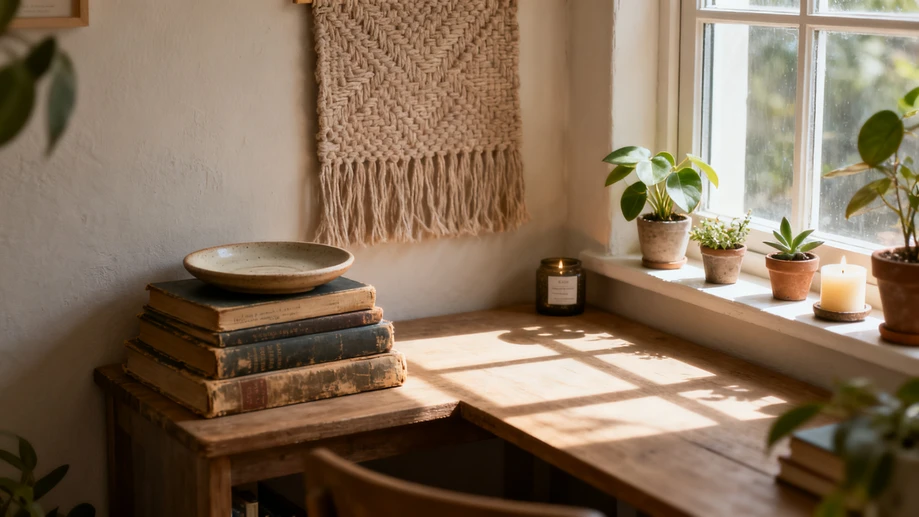
The first underrated trick is to stack unused paperback books, old art magazines and out-of-print reading materials that were previously stuffed in storage boxes in a gradual height order along the empty gap between the desk and the wall or under the far side of the window. Lay a flat, unglazed ceramic tray on top of the highest stack, and you get a custom low side table that perfectly fits the size of the nook, no assembly or extra purchase required. Different from the uniform cold texture of finished wooden side tables, the spines of stacked books add uneven color layers to the originally blank space, and people can pull out any of the books below at any time to read during short breaks, making the whole nook feel full of life instead of a show space for taking photos.
Most people tend to hang large plain decorative paintings on the empty wall directly behind the desk to fill the blank space, but this choice often leads to more obvious echo in the small enclosed space, and the sound of typing on the keyboard or flipping books will produce slight buzzing reverberation that easily distracts attention. Replacing the decorative painting with a moderately thick woven tapestry in soft earth tone shades can solve this problem completely without drilling holes or nailing complicated wall mounts. The loose fibers of the tapestry absorb excess echo and reduce the transmission of outdoor traffic noise to a certain extent, and the soft, matte texture will not produce harsh reflective glare even under direct sunlight, which is much more friendly for people who need to sit at the desk for more than three hours a day to work or study.
For lighting arrangement, skip the ultra-bright desk lamp with a fixed metal base that occupies most of the desktop space, and arrange a line of scented wax containers of different heights and small potted foliage plants on the window sill of the study nook. When natural sunlight slants through the glass in the afternoon, the uneven outlines of these small objects will cast soft, flowing shadows on the desktop, which relieves visual fatigue much better than a flat, unobstructed bright desktop. On overcast days or late at night when the light is dim, lighting the scented wax brings out soft, diffused warm light that does not cast sharp shadows on the pages of books or the screen, so there is no need to adjust the angle of the lamp repeatedly to avoid uncomfortable glare.
None of these adjustments need to change the original structure of the space, and the total extra cost is less than 40 dollars for people who need to buy a small number of missing items. After the soft decor is completed, the originally cold and forgotten nook can hold a full workday of writing, reading, and casual snack breaks without feeling cramped. The most suitable study space never needs to copy the over-decorated full-wall bookshelf designs seen on popular social media, and small personalized details that fit daily habits always bring a far better sense of use experience than deliberately pursued aesthetics.