
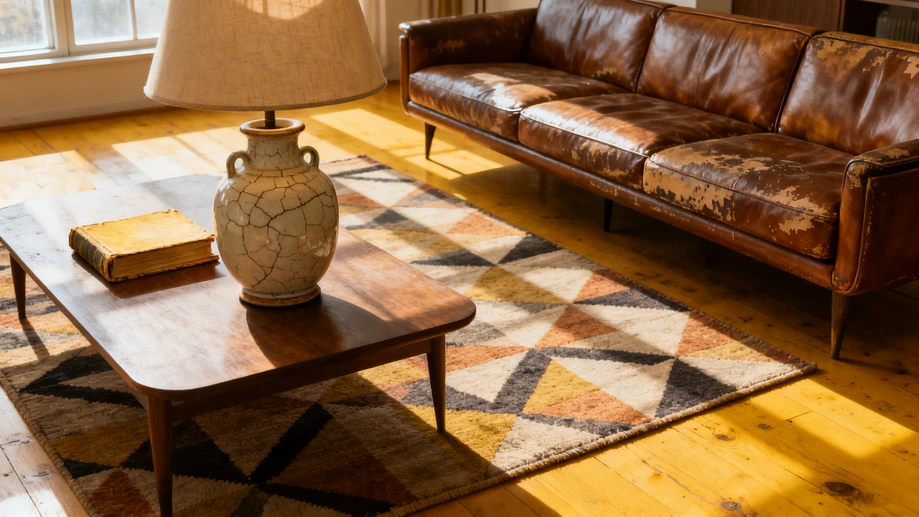
Retro Home Decor Styles Are Making a Strong Comeback Worldwide
Nostalgic designs from past decades surge in popularity as homeowners seek comfort through familiar aesthetics
Across continents, a wave of nostalgia is transforming living spaces as homeowners increasingly embrace retro decor styles. This resurgence sees mid-century modern furniture, vintage floral wallpapers, and geometric patterns from the 60s and 70s reappearing in contemporary interiors. Design psychologists attribute this trend to our collective yearning for comfort during uncertain times, with familiar aesthetics providing psychological security. Interestingly, a recent study revealed that 68% of participants associated retro elements with childhood memories, creating an instant emotional connection to their surroundings.
Practical considerations also fuel this movement as retro designs often prioritize durability and craftsmanship. Unlike fast furniture trends, vintage-inspired pieces frequently feature solid wood construction and timeless silhouettes that withstand changing tastes. Moreover, the circular economy benefits from this preference as homeowners restore inherited furniture or source secondhand items rather than buying new. Thrift stores and online marketplaces report surging demand for authentic retro lighting fixtures and ceramic accessories, proving sustainability can emerge organically without being the primary motivation.
Regional variations add fascinating dimensions to this global phenomenon. Scandinavian countries favor clean-lined mid-century designs with muted palettes, while Mediterranean regions embrace vibrant 70s color blocking and terrazzo finishes. Across Asia, a fascinating blend occurs where traditional craftsmanship techniques merge with retro Western forms, creating unique hybrid aesthetics. This cultural cross-pollination demonstrates how universal design languages can adapt to local contexts while maintaining nostalgic appeal. A little-known fact? The iconic egg chair design originally created in 1958 requires over 100 hours of handcrafting using traditional techniques still employed today.
Modern technology seamlessly integrates with these vintage looks in surprising ways. Smart home devices now hide within retro-styled radios or mid-century console units, preserving aesthetic harmony. LED lighting mimics the warm glow of vintage bulbs while offering energy efficiency, and contemporary materials recreate classic patterns with improved durability. This marriage of old and new extends to functionality as well; retro-inspired modular shelving systems provide adaptable storage solutions for today's smaller urban dwellings without sacrificing visual charm.
Looking ahead, industry observers note this trend shows no signs of fading. As younger generations discover retro styles through digital archives and streaming period dramas, they reinterpret vintage elements with fresh perspectives. The future likely holds more personalized approaches where homeowners mix eras creatively – perhaps pairing 1950s diner-style kitchens with 1980s Memphis Group accents. What remains constant is the human desire for spaces that tell stories and offer refuge, proving some design philosophies truly are timeless.