
Homeowners Are Embracing Transformative Spaces for Daily Living
The Rise of Multi-Functional Rooms Reflects a Global Shift in Home Design Priorities
Across continents, homeowners are revolutionizing their living environments by blurring traditional room boundaries. The latest trend sees dedicated single-purpose rooms giving way to adaptable spaces that serve multiple functions throughout the day. This fundamental shift goes beyond temporary pandemic adaptations, evolving into a permanent reimagining of domestic life where living rooms double as daytime offices, bedrooms transform into evening yoga studios, and dining areas become collaborative project zones. The driving force appears to be a universal human desire for flexibility and efficiency within increasingly precious square footage.
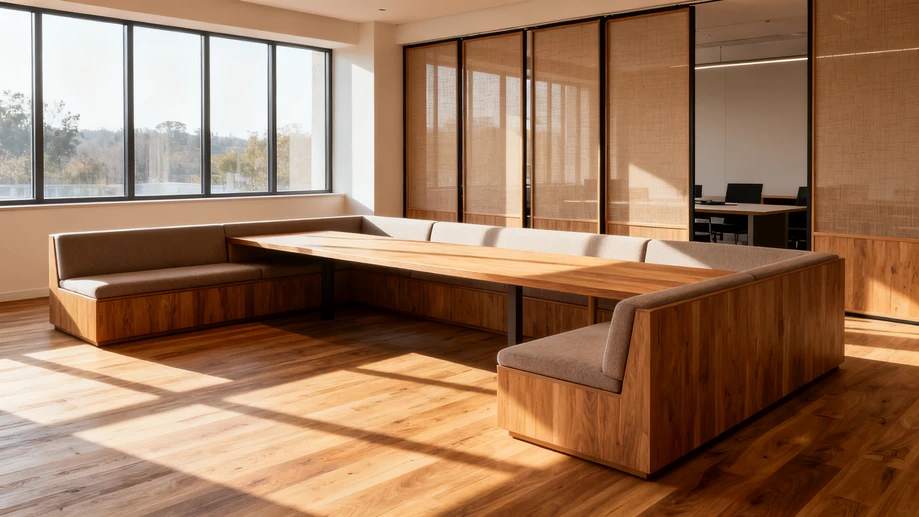
This movement has sparked ingenious design solutions. Furniture with hidden capabilities takes center stage, featuring sofas with integrated workstations, fold-away desks that disappear into cabinetry, and dining tables with adjustable heights transforming into standing desks. Many observers note the decline of formal dining rooms, repurposed into craft corners or reading nooks. Walls themselves are becoming dynamic elements with sliding panels, foldable partitions, and strategically placed shelving that subtly define areas without permanent barriers. Clever zoning with contrasting lighting, distinctive rugs, or varying ceiling heights creates psychological separation where physical walls no longer exist.
Architectural preferences demonstrate fascinating regional nuances within this global trend. European urban dwellers often prioritize convertible elements in compact apartments, maximizing light flow through mirrored surfaces and glass dividers. In contrast, spacious suburban homes in the Americas frequently incorporate larger, open-plan transformations, perhaps converting underused garage space into adaptable studios. Asian designs frequently integrate traditional elements like retractable paper screens and modular tatami platforms, seamlessly blending heritage with contemporary needs. This cultural diversity showcases a shared adaptation to modern lifestyles rather than a single, homogenous aesthetic.
The psychological impact of these fluid environments is becoming increasingly documented. Researchers note how transformable spaces can reduce feelings of confinement, particularly in dense urban settings where every square meter counts. There is a fascinating correlation between spatial flexibility and perceived well-being. Easy reconfiguration offers a psychological sense of control over one’s environment, while eliminating clutter associated with single-purpose items. A small kitchen nook that effortlessly shifts between coffee station and homework desk creates a calmer ambiance than dedicated areas gathering dust.
Technology plays a crucial, often invisible, role in this evolution. Smart home systems allow for effortless environmental changes with a single command, adjusting lighting temperature for work versus relaxation, or activating hidden storage solutions. Motorized furniture components enable effortless physical transformations, turning living rooms into home cinemas or guest bedrooms through quiet, integrated mechanisms. This integration focuses predominantly on enhancing user convenience rather than simply showcasing gadgets.
Looking ahead, this trend suggests profound implications for residential architecture and property development. New constructions increasingly feature fewer fixed walls, incorporating structural supports that allow future owners to define spaces as needed. Real estate professionals note that buyers place premium value on rooms demonstrating inherent versatility. This shift signifies a deeper understanding of homes as dynamic ecosystems adapting to changing human needs throughout different life stages, fundamentally altering how individuals interact with their personal environments.