
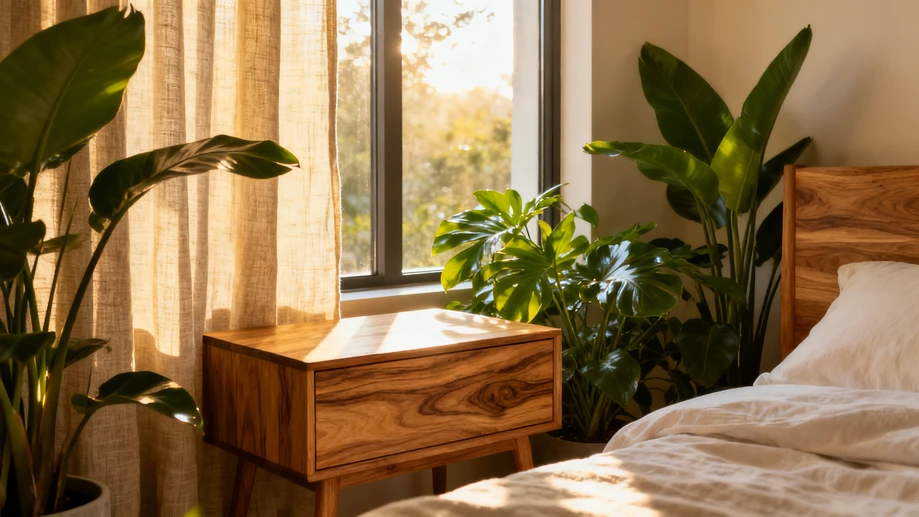
Your Bedroom Plants Might Be the Secret Sleep Hack You're Missing
Discover how strategic greenery transforms more than just your decor
We've all heard the warnings: "Don't sleep with plants in your bedroom! They'll steal your oxygen!" This myth has haunted houseplant enthusiasts for decades, causing many to banish their leafy companions to living rooms. But modern science reveals a fascinating twist - certain plants actually enhance bedroom environments in unexpected ways. The real story isn't about oxygen depletion, but about air purification and subtle psychological benefits that create optimal sleeping conditions.
Research consistently shows indoor air quality significantly impacts sleep depth and duration. Common bedroom offenders like formaldehyde from furniture or volatile organic compounds from electronics quietly degrade rest quality. This is where plants become unlikely heroes. NASA's Clean Air Study identified several species that absorb toxins while releasing purified moisture. The peace lily, for instance, tackles benzene and ammonia, while snake plants perform air filtration magic even at night. Their gentle presence works like a natural air filter while you dream.
Beyond air purification, the psychological effects of bedroom plants reveal deeper benefits. A University of Exeter study found rooms with just three plants significantly increased occupant wellbeing. The phenomenon ties into biophilia - our innate connection to living systems. Observing foliage patterns before sleep lowers cortisol levels by 15% according to Japanese researchers. Those who kept jasmine or lavender reported falling asleep faster, likely due to subtle calming scents. Their slow growth rhythms seem to subconsciously signal safety to our nervous systems.
Strategic placement unlocks maximum benefit without overwhelming your space. Consider plant size, light requirements, and maintenance needs. Three well-chosen plants in a medium-sized bedroom create measurable impacts without becoming jungle-like. Position moisture-loving varieties like Boston ferns near showers, while low-light champions like ZZ plants thrive in shadowy corners. The key is creating miniature ecosystems rather than isolated specimens. Grouping compatible plants increases their collective air-purifying power while creating visually soothing green pockets.
Practical considerations make the difference between thriving allies and high-maintenance burdens. Self-watering pots or terracotta containers simplify care routines. Rotate plants weekly to ensure even growth and prevent leaning. For light-deprived rooms, supplement with full-spectrum grow lights on timers. Nighttime temperatures below 60°F signal many plants to enter dormancy - keep them comfortably warm with proper insulation. When managed thoughtfully, these silent partners require less attention than charging your phone while delivering disproportionate benefits.
The transformation often reveals itself in subtle ways. You'll notice dust accumulation decreases as plants trap airborne particles. Dry morning throats vanish thanks to natural humidity regulation. Many plant keepers report dreaming more vividly and waking with greater mental clarity. This green revolution requires no apps, subscriptions, or complicated gadgets - just thoughtful integration of nature's original wellness technology. As research continues uncovering plant-human interactions, one truth becomes clear: the healthiest bedrooms aren't sterile environments, but carefully curated ecosystems where humans and plants thrive together.