
Why Delicate European Tea Sets Are More Than Just Drinking Vessels
Uncovering the little-known history, social customs and warm daily traces hidden in classic European tea ware collections
When tea first arrived in European port cities from the east in the mid 17th century, it was so rare and expensive that most ordinary people could not even see a whole leaf of the plant for decades. The first batches of tea consumed by aristocratic families were served directly in imported porcelain cups shipped over thousands of miles, as local craftsmen had no idea how to fire thin, non-porous ceramic that could hold hot liquids without cracking. Most ordinary households drank from thick metal mugs or rough pottery bowls at that time, so the smooth, translucent porcelain tea sets became a symbol of exclusive luxury that could only be shown off at grand royal banquets. Many people even locked their tea sets in specially made wooden cabinets with multiple locks, taking them out only on major festival days to make sure they would not be damaged or stolen.
It was not until the early 18th century that local craftsmen in different European regions finally mastered the hard porcelain firing technology after hundreds of failed attempts, and the design of tea sets immediately broke away from the original eastern style and grew fully rooted in local daily customs. The most obvious adjustment is the small curved handle added to the side of the cup, a detail that did not exist on traditional eastern tea cups. This tiny change was made entirely to adapt to the local habit of adding a large amount of heated milk and sugar to tea, which makes the drink far hotter than plain brewed tea. The handle keeps people from scalding their fingers when they pick up the full cup, and later supporting accessories including thin metal tea strainers, hand-carved sugar tongs and small ceramic jars for storing leftover tea leaves all came out one after another, forming a complete set of tea ware dedicated to the popular afternoon tea social scene.
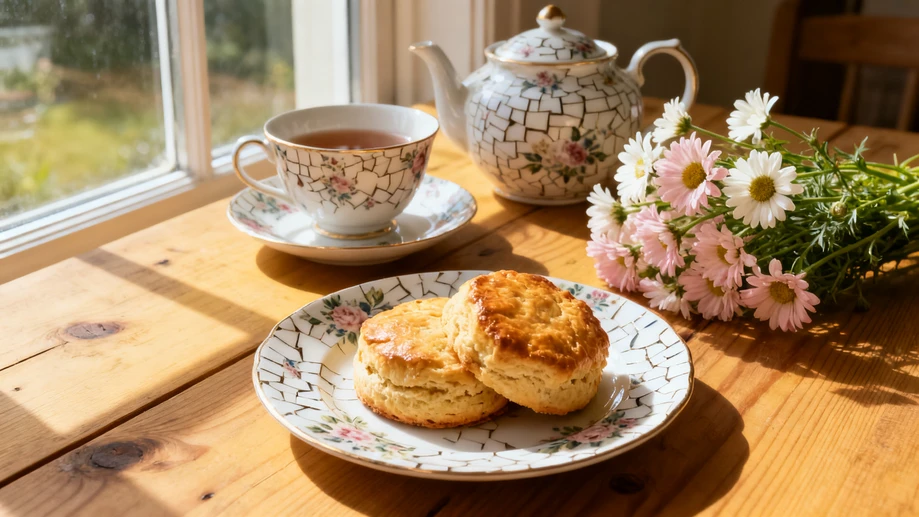
Travelers who visit different European regions will quickly notice that the style of local tea sets varies wildly from place to place, and each design hides a unique local attitude towards daily leisure. Tea sets produced in northern European areas usually have extremely smooth lines, no redundant painted patterns, and are mostly decorated with a single low-saturation color, which fits the local habit of placing tea sets on the breakfast table for daily use rather than just for formal guests. Traditional British country-style tea sets are covered with hand-painted small flowers, wild berries or small birds, and most of these patterns were not designed by professional artists at the very beginning, but drawn by ordinary housewives according to the plants growing in their own gardens, then sent to small local workshops for mass production. Many house parties at that time turned into interesting small puzzle games, as guests spent time identifying the flower patterns on each other’s tea sets, talking about the planting experience of these flowers in their own yards.
Nowadays, a large number of vintage European tea sets are not kept in glass display cabinets as expensive collectibles, but taken out of storage and used in daily life. Families will take their old tea sets out when they invite neighbors and friends over on quiet weekends, and they do not only hold brewed tea in these ceramic ware. Cold lemonade, hot cocoa, homemade fruit punch and even small portions of ice cream can be placed in these vintage cups, bringing a subtle sense of ritual to ordinary leisure time. Second-hand markets across the continent are full of old tea sets with faint usage traces, a small scratch on the edge of the saucer, a tiny faded spot on the painted flower, or a small dent on the surface of the sugar tongs. Collectors do not pursue perfect, unmarked products at all, and they are more willing to pick the sets that look like they have witnessed countless warm afternoon gatherings, carrying the soft and slow memories of dozens of ordinary people’s lives.