
The Viral No Dresser Bedroom Trend That Saves So Much Extra Space
Hundreds of home style creators are ditching bulky storage furniture to unlock hidden value in even the tiniest sleeping rooms
It all started with a handful of short clips posted on popular lifestyle sharing pages a few months ago, showing users removing all traditional dressers from their 120-square-foot bedrooms and documenting the massive difference in open space after the change. Most viewers wrote off the trend as a temporary gimmick at first, arguing that ditching the dresser would only lead to piles of folded clothes scattered across the bed, chairs and floors that turn the whole room into a messy disaster zone. But more and more ordinary home owners have shared their own trial results in the following weeks, proving that the no-dresser setup is far more practical than it sounds, especially for people living in small urban apartments that barely have extra square footage to spare.
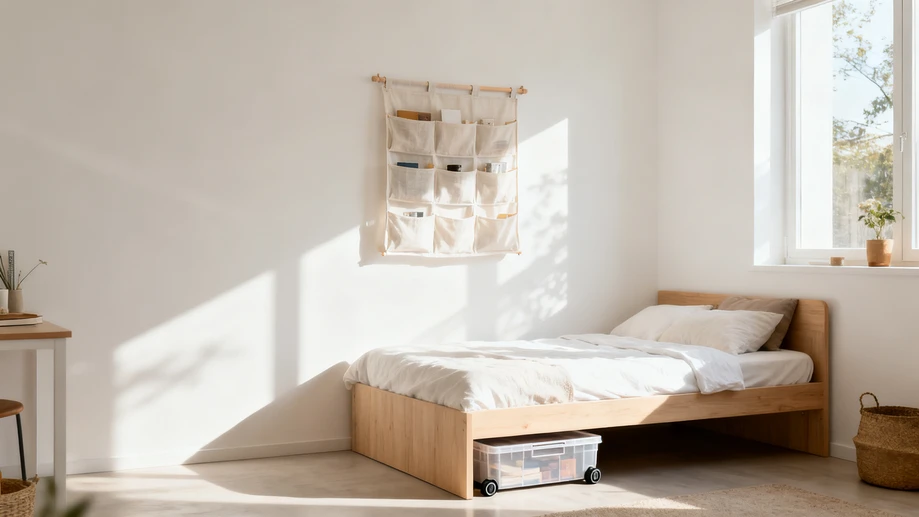
Instead of throwing their clothing randomly across flat surfaces, people who try the trend have come up with a wide range of low-cost, low-footprint alternatives that work far better than old-fashioned drawer units. Lightweight wall-mounted fabric hanging racks hold folded t-shirts, socks and loungewear at eye level, so people no longer have to kneel down and rummage through stacked drawers to find the exact top they want to wear in the morning. Slim, wheeled storage bins slide completely under standard bed frames, holding off-season sweaters, thick blankets and rarely used accessories completely out of sight. Even the narrow gap behind the headboard can be fitted with a thin hanging pouch to store eye masks, phone chargers and bedtime reading materials that used to clutter the nightstand surface.
One unexpected side effect that most people did not foresee before the makeover is the sharp drop in unnecessary clothing waste. Traditional dressers with deep hidden drawers easily become dumping grounds for old clothes that people have not worn for more than six months, forgotten under layers of newer items until they are accidentally found during a full spring cleaning. Without the hidden storage space that lets people hoard unused items out of sight, residents are forced to sort through all their belongings regularly, and donate or resell pieces that no longer fit their daily routine. A large number of trend followers report that they have cut the number of clothes they own by nearly 40 percent within a month of removing their dresser, making the whole bedroom feel even more open and airy.
The shift away from bulky bedroom storage also solves a long-unnoticed issue linked to poor sleep quality. Most tall dressers are placed against the wall next to the bed, blocking large portions of natural sunlight that streams in from the side window, and casting heavy shadows that make the whole room feel cramped even during the daytime. The large solid furniture also creates subtle visual pressure that makes many people feel unconsciously cramped when they are trying to wind down for the night. Multiple surveys of people who completed the no-dresser makeover show that over 70 percent of respondents fall asleep 15 to 20 minutes faster than before, and feel far less groggy when they wake up in the morning, thanks to the unobstructed flow of light and open visual field.
There is no need to spend thousands of dollars on full home renovation to test this trend, as all the alternative storage parts cost no more than a couple dozen dollars in total, and can be installed in less than three hours without any professional help. People with higher bedroom ceilings can even install a slim hanging bar for off-season coats directly above the entry door, using the completely unused vertical space that no traditional furniture can occupy. For renters who are not allowed to drill holes in the wall, heavy duty removable adhesive hooks can hold most lightweight fabric storage racks securely for years, leaving no marks on the wall when it is time to move out. What most people thought was a silly impractical hack turns out to be one of the easiest, lowest cost changes that completely upgrade the daily experience of using a bedroom.