
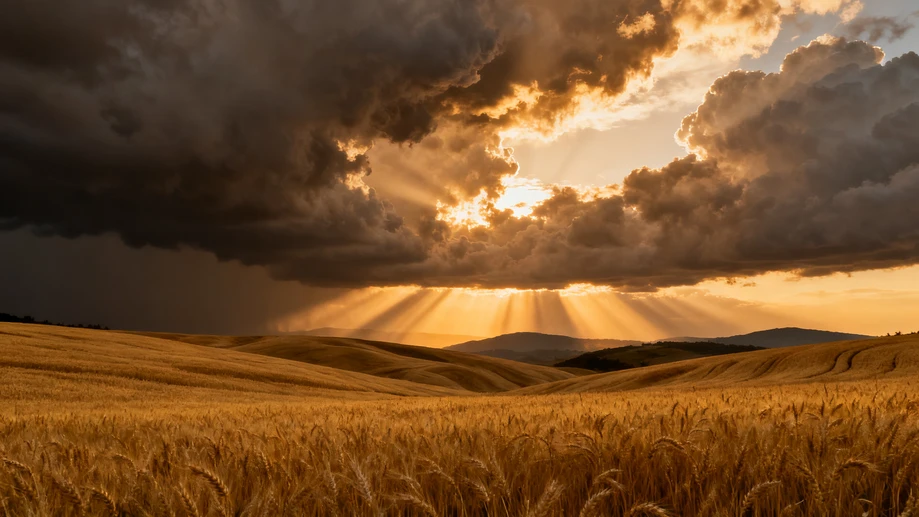
Harness the Drama of Clouds to Transform Your Landscape Photography
Discover how the ever-changing sky can become your most powerful storytelling tool in nature photography
Clouds are nature's mood ring for photographers. They shift from fluffy cotton balls to brooding monoliths in minutes, transforming ordinary scenes into cinematic masterpieces. The best part? This free visual upgrade comes standard with every outdoor shoot. Understanding clouds turns your camera into a weather-wielding wand where ordinary landscapes acquire emotional gravity. Photographers often obsess over golden hour lighting but overlook the atmospheric stagehand that actually sculpts that light – the humble cloud bank floating overhead.
Different cloud formations serve distinct creative purposes. Puffy cumulus clouds act like natural diffusers during midday when harsh light would otherwise flatten landscapes. Their scattered formations create dynamic patterns perfect for wide-angle compositions that need movement. Meanwhile, wispy cirrus clouds catch fire at sunrise like airborne embers, ideal for adding delicate texture without overwhelming your subject. For maximum drama, nothing beats the ominous weight of stormy cumulonimbus anvils marching across prairie horizons. These cloud giants manufacture nature's theater lighting, casting shadow plays across fields and mountains.
Timing becomes everything when chasing cloud expressions. Patient photographers learn to track weather fronts like conductors following a score. Arrive ninety minutes before sunset when low-hanging stratus layers begin glowing from below, turning ordinary forests into mystical realms. Use weather radar apps to intercept shelf clouds preceding thunderstorms – those sculpted wedges create apocalyptic backdrops for silhouetted trees. Even "bad weather" holds secret advantages. Fog transforms into nature's softbox when it lifts, creating ethereal transitions between land and sky that no lens filter can replicate.
Post-processing tips remain simple when working with cloud drama. Resist slamming saturation sliders that turn skies into neon cartoons. Instead, subtly enhance existing contrast between cloud formations using graduated filters. The magic lives in preserving the natural luminosity gradient where sunbeams pierce cloud layers. Remember that clouds provide context – your foreground subject should converse with the sky's narrative. A lone tree gains heroic stature beneath turbulent skies while peaceful pastures harmonize with feathery cirrus patterns.
Cloud photography transforms how we witness ordinary moments. That grocery-store parking lot sunset becomes monumental when sculpted by anvil clouds. Backyard observations turn into storm-chasing adventures as you predict cloud formations' movements. Soon you'll find yourself planning errands around cloud conditions, noticing how morning fog transforms concrete jungles into impressionist paintings. This visual awareness becomes your superpower – turning mundane skies into breathtaking scenes where light performs its daily magic show.