
Why Your Small Space Doesn't Have to Feel Cramped Anymore
Unlock the surprising secrets to turning any tiny room into a spacious, inviting retreat without major renovations.
Living in a compact apartment or a cozy studio can often leave you feeling like you're trapped in a shoebox, but here's the kicker: it doesn't have to be that way. With urban populations booming and housing costs soaring, more people are embracing small-space living as a smart, sustainable choice. Yet, the common complaint is that cramped quarters feel suffocating, leading to daily frustration. The good news? A few clever design tweaks can work wonders, transforming your space from cluttered chaos to a serene sanctuary. It all starts with rethinking how you use every inch, and trust me, the results can be downright magical.
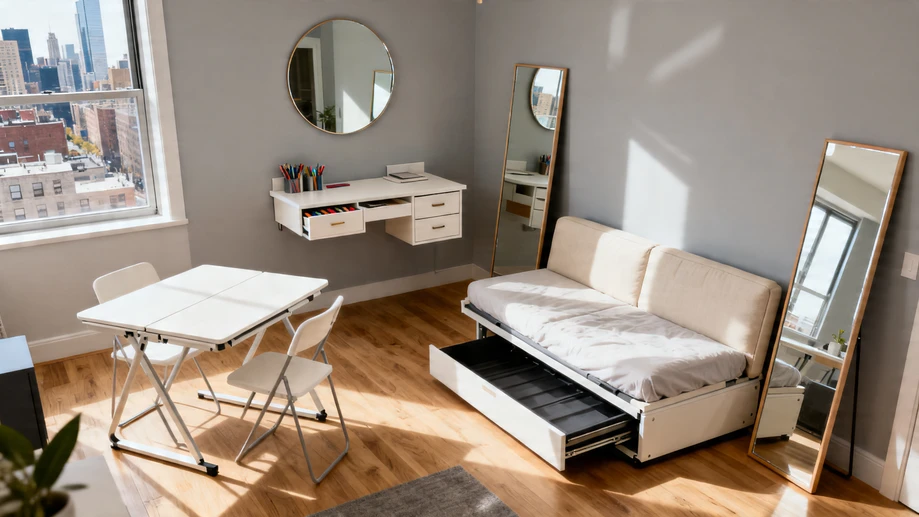
One of the most effective ways to maximize a small area is by investing in multifunctional furniture. Think about it: a sofa that doubles as a bed or a coffee table that converts into a dining table instantly adds layers of utility without eating up floor space. For instance, wall-mounted desks that fold away when not in use free up room for movement, making your living area feel airy and uncluttered. This approach isn't just practical; it's a game-changer for daily routines. You might worry that such pieces look bulky or cheap, but modern designs are sleek and stylish, blending seamlessly into any decor. Plus, they encourage a minimalist mindset, helping you ditch the unnecessary stuff that accumulates over time.
Beyond furniture, the strategic use of color and light plays a huge role in creating an illusion of spaciousness. Light, neutral tones like soft whites, pale grays, or creamy beiges reflect natural light, making walls seem to recede and rooms appear larger. Pair this with mirrors placed opposite windows to bounce sunlight around, and you've got a recipe for brightness that banishes shadows. On the flip side, dark colors can make a space feel cave-like, so save those for accent pieces if you crave drama. But don't stop there—incorporating sheer curtains instead of heavy drapes allows daylight to flood in, enhancing the open feel. This isn't just about aesthetics; it taps into psychology, as bright, airy environments boost mood and reduce stress, turning your home into a true refuge.
Storage solutions are another key piece of the puzzle, and they don't have to involve expensive custom builds. Vertical storage, such as tall shelves or hanging racks, utilizes wall space efficiently, keeping floors clear and reducing visual clutter. Hidden storage under beds or inside ottomans is a genius way to stash away seasonal items or everyday essentials. For example, using baskets or bins under a sofa can hold extra blankets or books, making them accessible yet out of sight. This smart organization prevents the dreaded "junk drawer" syndrome and fosters a sense of order. What's more, it encourages you to declutter regularly, which not only frees up physical space but also clears mental fog. After all, a tidy home is a happy home, and in small quarters, that tidiness translates directly to comfort.
Now, let's talk about the psychological impact—because how your space feels is just as important as how it looks. Designing for flow and openness can trick the mind into perceiving more room, reducing feelings of confinement. Simple tricks like keeping pathways unobstructed or using rugs to define zones without walls create a sense of movement and freedom. Avoid overcrowding with too many decorations; instead, opt for a few statement pieces that draw the eye upward, like tall plants or artwork, to emphasize height. This approach not only makes daily life smoother but also fosters a calming atmosphere, where you can unwind without constant reminders of limited square footage. It's amazing how a well-designed small space can boost productivity and relaxation, proving that bigger isn't always better.
So, how do you put this all into action? Start small: pick one area, like your living room or bedroom, and experiment with one of these ideas. Swap out heavy curtains for lighter ones, or add a mirror to brighten a dark corner. The key is consistency—make these changes part of your routine, and you'll see cumulative benefits. Over time, your tiny home will evolve into a place that feels expansive and personal, tailored to your lifestyle. Remember, the goal isn't perfection; it's creating a space that supports your well-being. With these easy steps, you'll not only save money on renovations but also rediscover the joy of home, proving that even the coziest nook can become a palace of possibilities.