
Skip Expensive Gardening Gear Regular Household Items Work Even Better For Your Plot
A crowd-tested set of zero-cost hacks lets you grow lush, productive plants without dropping hundreds on specialized supplies.
Most new gardeners walk right into the trap of filling their carts at home and garden retailers the second they decide to plant something, grabbing ergonomic trowels, pre-cut weed barriers, branded plant ties and fancy potting filters before they even dig their first hole. Many of these overpriced supplies end up sitting in storage a few months later, unused once the initial gardening hype fades, as they offer no actual unique benefit that everyday items cannot match. Longtime hobby gardeners have shared these low-effort hacks for years, and they have been going viral on social platforms lately for how much simpler they make small-scale growing. Used coffee filters placed at the bottom of drainage holes in potted plants stop fine potting mix from leaking out while letting excess water flow freely, performing far better than thin plastic mesh that clogs after a few weeks of watering.
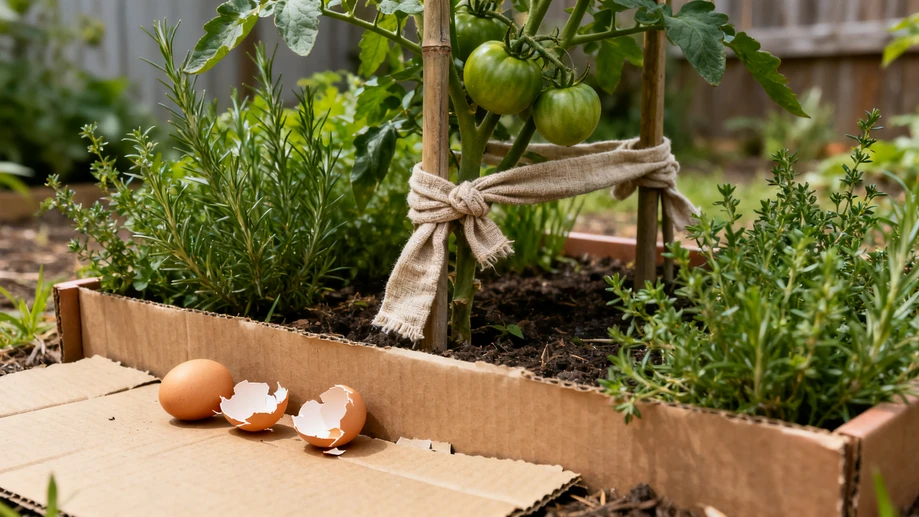
Even items most people toss in the trash without a second thought work perfectly for core gardening tasks, no modifications needed. Plain corrugated cardboard laid flat over patches of unruly grass before you set up new planting beds smothers all light to existing weeds, killing off root systems in under two weeks with zero digging required, and it breaks down naturally over a few months to feed the soil instead of leaving microplastics behind like commercial woven weed mats. Old 100% cotton t-shirts that have developed small holes get cut into soft, flexible strips to tie climbing vegetable stems to stakes, and they stretch gently as the plant grows thicker to cut down on the risk of girdling that stiff plastic zip ties cause, even for delicate young stems that snap under barely any pressure.
These low-cost hacks are not just cheap workarounds for people who refuse to spend money, they are actually better suited for small space gardeners who grow plants on balconies, patios or tiny urban lots. Crushed eggshells scattered across the top layer of potted soil add a slow, gentle dose of calcium to feed developing fruit, and the sharp, rough texture irritates soft-bodied pests like slugs that crawl across the surface, removing the need to spread toxic pesticide pellets that can harm pollinators that stop by for visits. The bottom third of empty clear plastic bottles cut off and filled with damp seed starting mix acts as a perfect mini greenhouse for germinating tiny herb seeds, trapping just the right amount of moisture and heat without overheating young sprouts the way rigid plastic branded propagation trays often do.
Communities of home growers keep coming up with new unexpected uses for common household goods, turning boring daily chores into a fun scavenger hunt for hidden gardening tools around the house. Old soft-bristled toothbrushes that get replaced every few months are the perfect size to brush tiny clusters of aphids off the undersides of tender leaves, targeting pests exactly where they cluster without spraying harsh chemical sprays that can damage new growth on nearby smaller seedlings. Ordinary kitchen slotted spoons make quick work of aerating and breaking up crusted, compacted topsoil in small pots, fitting easily between young plant stems without disturbing shallow root systems the way full sized hand trowels often do.
The core joy of gardening was never about owning the latest, most expensive branded gear, it was about figuring out what works for your unique growing space and the specific plants you choose to nurture. There is no rule that says a perfect thriving plot has to be filled with matching, new supplies straight from a store shelf, and many of the most productive gardens around the world are run by people who use whatever resources they already have on hand to help their plants thrive. Even plain unused kitchen sponges placed in the bottom of pot trays hold a steady reserve of excess water that wicks back up into the soil slowly over time, so you do not come home to wilted dead plants after a three day weekend trip away from home.