
Most Juicer Users Have No Idea They Can Cut Their Food Waste By 40 Percent
Little known underused features and simple tricks turn regular juicers from a niche occasional appliance into one of the most cost effective items in any home kitchen
Social media feeds in the lifestyle niche have been flooded with short clips of juicer hacks over the past two months, as hundreds of users shared that they had kept their juicers stored under the kitchen counter for over a year before stumbling on tricks that completely changed their daily routine. The vast majority of people who own a juicer only use it to extract fresh juice, toss all the leftover pressed pulp straight into the trash, and then spend 10 minutes scrubbing tiny pulp fragments out of hard to reach gaps in the machine’s strainer. This common use pattern wastes more than half of the appliance’s actual value, and generates a surprising amount of unnecessary food waste that adds extra cost to monthly grocery budgets without most people even noticing. Many households that have switched to zero waste juicing routines report cutting their weekly fruit and vegetable waste by nearly half, with no extra time spent on prep or cleanup work.
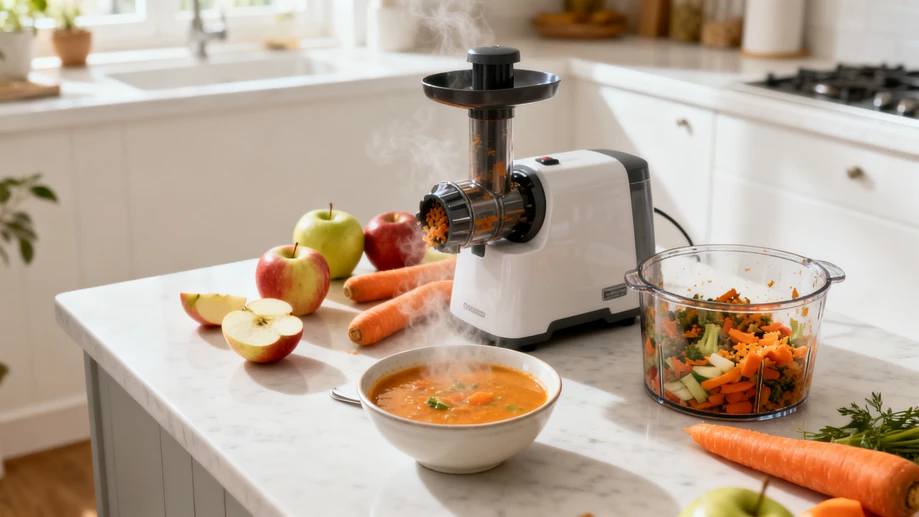
The most viral trick that spread across lifestyle communities focuses on what to do with the pressed pulp that most people throw away immediately. Dried pulp made from apples, carrots, celery and leafy greens can all be collected and packed into sealed freezer bags right after juicing, no extra processing required. When making homemade vegetable stock, soup bases or slow cooked stews later in the week, users can toss a handful of the frozen pulp directly into the boiling pot, and the fine fiber will dissolve completely into the liquid to add extra depth of flavor and boost the nutrient content of the dish. Users who have tested this method say they no longer need to buy pre-made packaged soup stock, and the end result tastes far fresher than any store bought alternative with no added preservatives or excess sodium.
Another widely shared trick eliminates the annoying post use cleaning step that makes most people abandon their juicers after a few weeks of use. Instead of scrubbing the tiny strainer holes with a small bristled cleaning brush to dig out stuck pulp fragments, users can feed a single slice of plain white bread through the running juicer right after extracting juice. The soft, porous bread will catch every last tiny piece of pulp trapped in gaps and strainer holes, so all users have to do afterwards is rinse the whole machine under running tap water for less than 10 seconds. This hack cuts the total cleaning time from 10 minutes down to under 30 seconds, and completely removes the risk of forgotten leftover pulp going bad and leaving a sour fermented smell inside the machine if it is left unwashed overnight.
Many users have also found that their regular juicer can handle far more ingredients than just fresh soft fruit and raw vegetables. Dried culinary herb leaves, rolled oats soaked in water for 30 minutes, and raw unsalted nuts can all be processed through the juicer’s highest speed setting to create ultra fine powder and paste that is usually only achievable with a separate heavy duty food processor. The fine herb powder can be sprinkled over salads, pasta or roasted vegetables for extra flavor, while the nut paste can be mixed into yogurt or spread on toast as a homemade no additive alternative to store bought nut butter. Many households have gotten rid of their unused small food processors and spice grinders after testing this trick, clearing up valuable extra counter space in small kitchens without losing any of the functionality they previously relied on.
Over the past few weeks, the trend has moved far beyond simple online tips, with thousands of users posting before and after photos of their weekly kitchen waste, showing that their household food waste output has dropped by an average of 40 percent after three weeks of using these simple hacks. Instead of posting unboxing clips of expensive premium juicer models, most creators now share content focused on making the most of older entry level juicers that have been in the kitchen for years. What was once widely written off as a temporary viral kitchen gadget that would end up in storage has quickly become one of the most highly recommended daily use appliances for people looking to cut household costs and live a less wasteful everyday life.