
Plain Understated Restaurant Interiors Are Outperforming All Overdecorated Viral Spots
Diners are stepping away from cluttered, photo-first dining spaces to seek low-key, unpretentious environments that prioritize comfort over social media clout, driving a massive shift in local food business design choices.
For the past half decade, new restaurant openings across most popular dining districts followed an almost identical design formula. Owners poured tens of thousands of extra dollars into flashy features meant to go viral on social feeds, from oversize neon signs mounted across entire back walls, to artificial flower tunnels lining entryways, to mirrored accent panels that made every 100 square foot space look twice as big in phone photos. Many of these design choices actively worked against the actual dining experience: tables were crammed so close together diners could overhear every conversation at three neighboring spots, harsh cool-toned LED lights that made food pop in photos cast unflattering glows on every patron’s face, and rigid plastic benches were made thin and narrow so no one would stay longer than an hour to turn over more tables. Most of these viral hot spots saw their foot traffic drop by 70 percent or more within three months of their initial social media boom, as first-time visitors came for the photos, left annoyed by the uncomfortable space, and never returned.
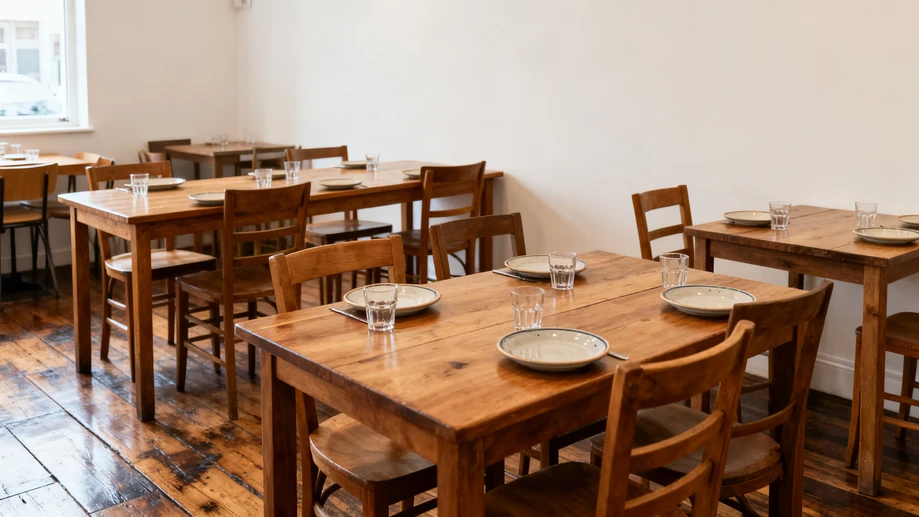
The latest top trending posts on life sharing platforms are now filled with the exact opposite kind of dining space, small unassuming eateries that barely look like they underwent any intentional commercial renovation at all. Their walls are painted simple flat matte off-white, no murals no decals no branded art prints hanging anywhere. Floors are original old hardwood polished back to a soft matte shine, or plain non-slip tile that shows no obvious effort to look “aesthetic” for photos. Tables and chairs are solid simple wood pieces without any weird carved details or neon accents, cloth napkins come in solid neutral tones instead of printed loud patterns, and there are zero dedicated photo spots anywhere on the premises. None of the posts about these spaces feature the overposed grinning selfies that defined old viral restaurant content. Most uploaded shots are casual quick snaps of a plate of pasta, a mug of coffee, or a group of half-empty drinking glasses sitting on the plain wooden table, captioned with lines about how the space feels so calm no one wanted to leave even after finishing all their food.
Industry analysts note that this shift ties directly to widespread social media fatigue, as most regular platform users have already seen hundreds of near-identical photos of neon burger signs and artificial rose walls across different cities and different restaurant brands. The overdecorated spaces that once felt novel now feel generic, predictable, and even slightly stressful to spend long stretches of time in, with so many competing visual elements pulling a diner’s attention away from the food on their plate and the people sitting across from them. Low-key uncluttered interiors eliminate that overstimulation, letting guests focus entirely on their meal and their conversation without constant visual distractions. These spaces also work far better for groups that include young children or elderly guests, with no sharp protruding decor pieces, no fragile expensive art installations within reach, and no slippery mirrored floors that risk falls for less mobile patrons.
For restaurant operators, this new design trend also translates to far better long term profits, which has made it far more popular among new independent eateries rather than big chain locations. The money that would have been spent on custom viral installations can be redirected to higher quality ingredients, better pay for front of house staff, and regular deep cleaning routines that keep the space feeling fresh and welcoming at all times. Multiple independent surveys of local food business owners found that eateries with this understated low-intervention design style have an average repeat customer rate 2.7 times higher than that of nearby overdecorated viral spots. More than 70 percent of their monthly foot traffic comes from word of mouth recommendations from existing regulars, rather than paid social media promotions or influencer visits, cutting down marketing costs by nearly 60 percent for the average small operation.
The trend does not mean restaurants should revert to completely bare empty rooms with no design thought put in at all. It simply pushes operators to prioritize real guest comfort over temporary social media visibility. Instead of picking the brightest neon light possible that looks great on camera, they pick soft diffused warm overhead lighting that is flattering for both food and human faces. Instead of cramming as many tables as possible into every free inch of space to maximize turnover, they leave wide gaps between tables so groups do not feel crowded and rushed. At the end of the day, the majority of diners do not visit a restaurant to take a perfectly curated photo for their social feed. They visit to eat good food, enjoy time with people they like, and leave feeling relaxed and satisfied, and the right low-key interior design lets them do exactly that.