
Why Ditching The Overhyped Open Floor Plan Trend Makes Daily Home Life Far More Convenient
A growing number of homeowners are prioritizing non-intersecting movement flow over viral aesthetic requirements during renovation, and the tiny layout tweaks eliminate hours of useless chores every week.
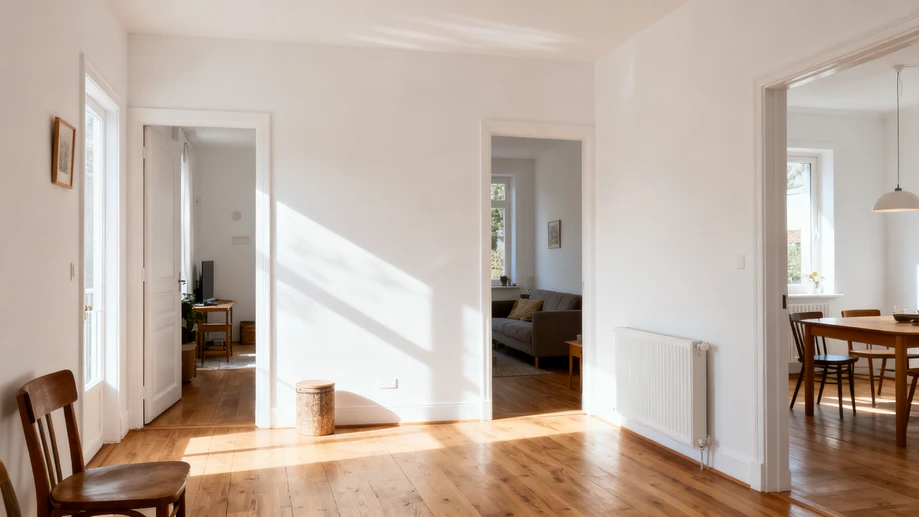
For more than a decade, the fully open connected layout has been pushed as the ultimate sign of a modern good home, with thousands of people knocking down load-bearing and non-load-bearing walls alike to eliminate every visible divider between the entryway, kitchen, dining space and living room. Most people who follow this trend find out a few months after moving in that the open space does not bring the imagined spacious feeling, but brings a string of small daily troubles that are impossible to ignore. A person making coffee in the kitchen will get disturbed every time another person walks from the entryway to the balcony to take out the trash, crumbs spilled while making snacks get dragged all over the carpeted living room area under other people’s shoes, and there is no quiet corner to take a 10 minute work call without background noise from the TV playing in the lounge zone.
The core logic of a proper layout centered on movement lines is to divide all frequent routes in a home into three independent non-crossing sets, namely the housework line, the dining preparation line and the rest leisure line. The housework line covers all routes people take when they are doing chores, from the moment they step in the entryway with dirty shoes, to putting dirty clothes directly into the laundry basket, carrying waste out to the disposal point, and walking to the balcony to collect freshly dried linens. None of these routes need to pass through the soft furnishing rest area at all, and people carrying mops, detergent buckets or piles of dirty clothes will not accidentally bump into family members who are sitting on the sofa reading books or playing board games.
Many of the most practical layout adjustments do not require large scale wall demolition or huge renovation budgets, and a tiny shift of 30 to 50 centimeters for fixed furniture can fix 90 percent of the messy movement problems in a home. Moving the oversize kitchen island that used to sit in the exact center of the open space 40 centimeters to the side opens up a dedicated narrow route that runs directly from the fridge to the sink to the stove, so the person preparing meals no longer needs to step aside and make space every time someone else walks past to grab a bottle of cold drink from the fridge. Shifting the storage cabinet near the entryway a little to one side creates a straight short cut from the entry door to the bathroom, so people who get home from outdoor exercise can wash their hands and change clothes directly without dripping sweat all over the carpet in the living area.
This kind of non-intersecting movement layout also brings many unexpected hidden benefits that no popular renovation content ever mentions. Different zones are separated by low storage cabinets or half height partitions that do not block natural light, so the sound of someone washing dishes in the kitchen at 7 a.m. will not wake up people who want to sleep in on weekends in the lounge or bedroom area. When a group of friends come over for a dinner gathering, people who stay in the kitchen to prepare side dishes do not need to interrupt their work constantly to make small talk with people sitting at the dining table, and the group chatting at the table will not get disturbed by the clinking sound of pots and pans coming from the counter.
Most people only realize after living in a space for a few months that a perfect home layout never depends on how good the full open space looks in social media photos. What actually determines the comfort level of long term stay is how smooth every tiny movement is during the day, no one needs to detour when they are in a hurry, no one needs to apologize for bumping into other people when carrying hot food, and there is no need to step over scattered items left on the route that no one remembers to put away. These tiny convenient moments that happen hundreds of times every single day build up a far more comfortable living experience than any viral luxury aesthetic design.