
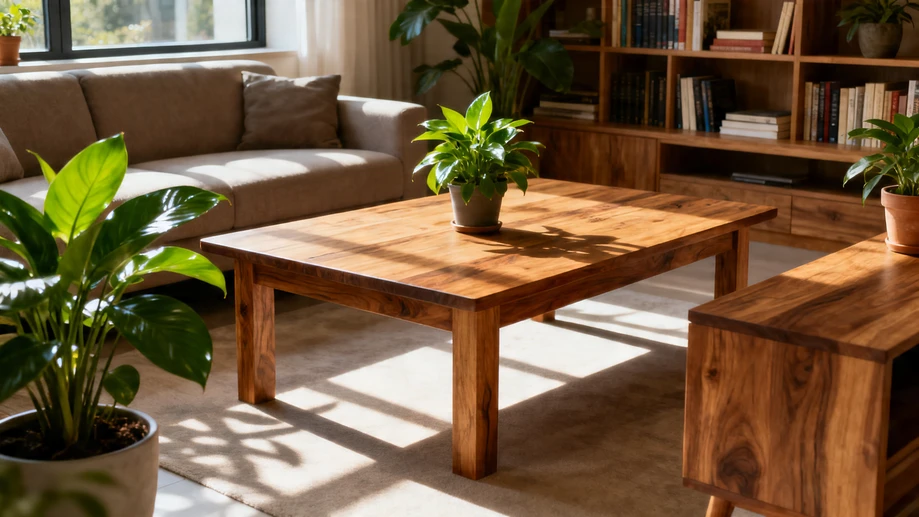
Transform Your Space with Five Essential Biophilic Elements
Discover how bringing nature indoors can boost your mood and create a soothing sanctuary right at home.
Ever feel like your living room could use a breath of fresh air? You're not alone—biophilic design has exploded in popularity online, with countless posts and videos showing how integrating natural elements into indoor spaces can turn a bland box into a calming oasis. This trend isn't just about adding a few plants; it's a holistic approach that taps into our deep-seated connection to nature, proven to reduce stress and enhance overall well-being. Amidst our fast-paced digital lives, more people are craving this kind of escape, and it's no wonder why social media is flooded with tips for making it work in any home. But where do you start? The key lies in five core elements that anyone can incorporate without breaking the bank, and they're easier to master than you might think.
First off, let's dive into what biophilic design really means. At its heart, it's all about mimicking the outdoors inside your space, using patterns, materials, and features that evoke natural environments. Think about how sunlight streaming through a forest canopy feels—it's that same sense of tranquility we're aiming for indoors. Studies show that exposure to such elements can lower blood pressure and improve focus, which explains why so many are jumping on this bandwagon. For instance, simply gazing at green plants has been linked to increased creativity, making it a no-brainer for home offices. Now, moving to the practical side, the first essential element is indoor greenery. Plants aren't just decorative; they act as natural air purifiers and mood lifters. Start small with low-maintenance options like snake plants or pothos, placing them in spots where you spend the most time, such as near windows or on desks.
Moreover, natural light plays a crucial role in this design philosophy. It's often overlooked, but maximizing sunlight can transform a room from dreary to dynamic. If your windows are limited, consider using mirrors to reflect light and create the illusion of brightness. This step ties into the second element: incorporating water features. Even a simple tabletop fountain can add a soothing auditory backdrop that mimics a babbling brook, promoting relaxation without requiring major renovations. After all, who wouldn't want that spa-like vibe at home? On top of that, the third element is natural materials like wood, stone, and bamboo. These textures bring warmth and earthiness, making spaces feel grounded and organic. Swap out synthetic furniture for pieces with visible grain or opt for stone countertops to infuse a touch of the wild into everyday life.
Building on that, the fourth element involves patterns and shapes inspired by nature. Think of organic curves on furniture or wallpaper with leaf motifs—these subtle details trigger our innate affinity for natural forms and can turn a plain wall into a conversation starter. Pair this with the fifth element, which is airflow and ventilation. Ensuring good circulation with open windows or fans keeps the air fresh and prevents that stagnant feeling that often plagues modern homes. Together, these elements create a cohesive flow that feels less like a design trick and more like living in harmony with the environment. However, avoid common pitfalls like overloading on plants or ignoring room size, as this can lead to cluttered chaos instead of calm. Instead, focus on balance and simplicity for the best results.
Finally, implementing these ideas doesn't have to be complicated or expensive. Begin with one area, like your living room, and layer in elements gradually—maybe add a few plants this week and install a bamboo shelf next month. Share your progress online to join the community buzz and swap tips with others. As trends evolve, expect more innovations in sustainable materials that make this approach even more accessible. In the end, transforming your space into a biophilic haven isn't just about aesthetics; it's a step toward better mental health and a happier home. So why not give it a try and unlock that serene sanctuary today?